
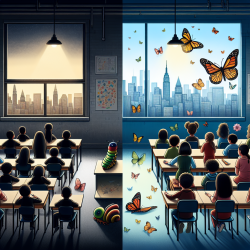
In New York, school suspensions are a common disciplinary measure used in response to a range of behaviors, from minor infractions like tardiness and dress code violations to more serious offenses. Alarmingly, this form of punishment is applied as early as pre-kindergarten. Despite research indicating that suspensions are often ineffective and harmful, they remain prevalent in schools across the state. This blog explores the adverse effects of school suspensions and highlights the need for reform through legislative action.
The Consequences of Exclusionary Discipline
Exclusionary discipline practices such as suspensions have significant short- and long-term impacts on students. Among these are:
- Lower Academic Performance: Students who face suspensions often experience a decline in math and reading scores. The loss of instructional time can hinder their academic progress.
- Decreased Trust in Schools: Repeated suspensions can erode students' trust in educational institutions and diminish their sense of belonging.
- Increased Risk of Dropout: Students who are suspended are at a higher risk of dropping out of school altogether, which can lead to further challenges in their future endeavors.
- Potential Criminal Justice System Involvement: There is a concerning correlation between school suspensions and subsequent involvement in the criminal justice system.
The Disproportionate Impact on Vulnerable Students
The overreliance on suspensions disproportionately affects students from marginalized backgrounds. Research has shown that:
- Students of Color: Black students are suspended at rates significantly higher than their white peers.
- Students with Disabilities: Students with disabilities face suspension at more than twice the rate of their non-disabled counterparts.
- Economically Disadvantaged Students: Those from low-income backgrounds are also more likely to be suspended, exacerbating educational inequities.
A Legislative Solution: The Solutions Not Suspensions Bill
The proposed Solutions Not Suspensions bill aims to address these disparities by fostering a supportive educational environment focused on accountability, healing relationships, and repairing harm. Key provisions of the bill include:
- Restorative Approaches to Discipline: Schools would be required to include restorative practices in their codes of conduct to promote positive school climates.
- Suspension Limitations for Young Students: The use of suspensions for pre-kindergarten through third grade would be restricted to only the most serious behaviors.
- Suspension Length Reduction: The maximum length of suspension would be shortened from 180 to 20 school days, except when federally mandated.
- Charter School Compliance: Charter schools would be required to adhere to state education laws regarding student behavior and discipline.
- No Suspensions for Minor Infractions: Prohibitions would be placed on suspending students for minor issues such as tardiness or dress code violations.
- Adequate Academic Support During Suspension: Suspended students would receive academic instruction and opportunities to complete assignments and exams.
A Nationwide Movement
This legislative effort is part of a broader national movement toward limiting exclusionary discipline. Twenty-four states have already enacted similar laws limiting suspension lengths, while seventeen states have restricted suspensions by grade level. These changes reflect a growing recognition of the need for more equitable disciplinary practices in schools.
The Solutions Not Suspensions bill represents a critical step forward in ensuring that all students have access to an education that prioritizes their well-being and success. By shifting away from punitive measures and embracing restorative approaches, we can create educational environments where every student has the opportunity to thrive.
If you would like more information about school suspensions and efforts for reform in your region or statewide, please follow this link.