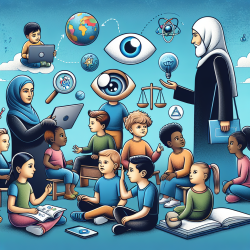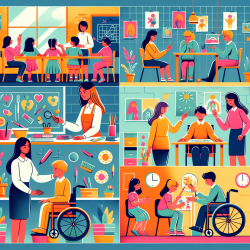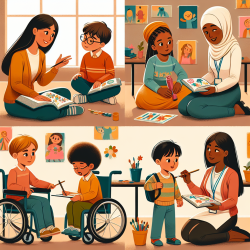

Inclusive education is a transformative approach aimed at ensuring that all students, regardless of their abilities or disabilities, have access to quality education within mainstream classrooms. A comprehensive study conducted by the European Agency for Development in Special Needs Education sheds light on effective practices and strategies that contribute to successful inclusion in schools across Europe.
The Framework of Inclusive Education
The study emphasizes the critical role of teachers in implementing inclusive practices. It highlights that inclusive education is largely dependent on teachers' attitudes towards students with special needs and their willingness to adapt teaching methods to meet diverse learning needs. The research underscores the importance of teacher training, adequate resources, and support from both within and outside the school environment.
Conditions for Effective Inclusion
- Teacher Attitudes: Teachers' positive attitudes towards students with special educational needs (SEN) are crucial. They must view these students as integral members of the classroom rather than challenges to be managed.
- Professional Development: Continuous training and access to resources enable teachers to adopt effective teaching strategies that cater to diverse learners.
- Support Systems: Collaboration with colleagues, specialist teachers, and external professionals enhances the capacity to address individual student needs.
- Parental Involvement: Engaging parents as active participants in their children's education fosters a supportive learning environment.
Effective Classroom Practices
The report identifies several key practices that promote inclusivity and enhance learning outcomes for all students:
Co-operative Teaching and Learning
- Co-operative Teaching: Teachers collaborate with peers and specialists to create a supportive network that benefits both students and educators.
- Peer Tutoring: Encouraging students to work together fosters social skills and reinforces academic concepts, benefiting both tutors and learners.
Collaborative Problem-Solving
A systematic approach to managing classroom behavior through clear rules and collaborative problem-solving helps reduce disruptions and supports a positive learning environment. This strategy is particularly effective for students with behavioral challenges.
Heterogeneous Grouping
Diverse grouping within classrooms allows students to learn from each other, promoting inclusivity and understanding. This approach supports differentiated instruction tailored to individual learning needs.
Effective Teaching Strategies
The study emphasizes the importance of high expectations, direct instruction, feedback, and regular assessment. These elements ensure that all students, including those with SEN, receive quality education aligned with their individual goals through Individual Educational Plans (IEPs).
Conclusions
The findings indicate that inclusive education benefits all students by fostering a collaborative and supportive learning environment. By adopting co-operative teaching methods, embracing diversity through heterogeneous grouping, and implementing effective teaching strategies, schools can enhance educational outcomes for every student.
For more information on inclusive education practices, please follow this link.