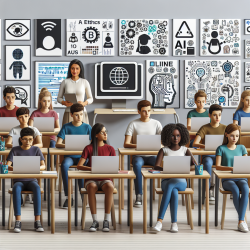
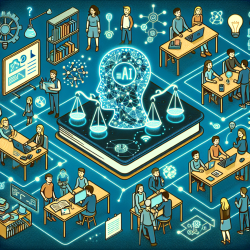
Artificial intelligence (AI) is revolutionizing high school education by reshaping how teachers and students engage with learning. While AI promises enhanced educational practices through personalization and efficiency, it also raises challenges around ethics, academic integrity, and equitable access. This comprehensive overview examines AI's role in high school education, providing insights into institutional responses, adoption patterns among teachers and students, impacts on learning outcomes, concerns about academic integrity, and prevailing ethical considerations.
Institutional Responses to AI in Education
As AI integration accelerates in educational settings, institutional responses have been varied. A significant challenge is the development of coherent policies. Despite 31% of schools having AI policies, 60% of educators report unclear guidelines. Training discrepancies are also prevalent; while 67% of schools offer AI training, 68% of teachers have not engaged with these programs. This disconnect highlights quality or accessibility issues with current training initiatives.
Challenges in Policy Development
The rapid evolution of AI complicates policy development in education. Schools struggle to formulate relevant policies due to the complexity of AI capabilities. The gap between policy existence and educator understanding suggests a need for more effective communication and training.
Teacher Adoption of AI Tools
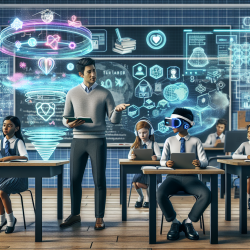
High school teachers are increasingly adopting AI tools for various tasks. Teacher adoption grew from 46% in the 2023-24 school year to 60% in 2024-25. Common applications include grading, instruction customization, and language learning assistance. However, this adoption comes with concerns about the impact on student learning and ethics.
Rising Adoption Rates
The rapid growth in teacher adoption reflects increased knowledge of AI's potential within education. Teachers use AI for tasks like grading tests and customizing instruction materials. Despite this enthusiasm, concerns about ethics and logistics persist.
Student Adoption of AI Tools
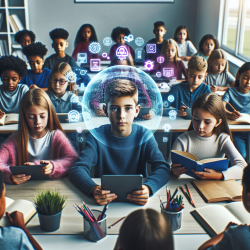
A national survey found that 70% of teens have used generative AI tools, primarily for homework help. Students use AI for idea generation, information retrieval, and concept explanation. However, access disparities exist among demographic groups, with Black and Latinx students using AI more frequently but having less awareness of these tools.
Adoption Demographics
The dual dynamic around generative AI use suggests that while some students actively leverage technology, there remains a gap in comprehensive exposure to AI resources. This points to disparities in digital literacy and technology education distribution.
Impact of AI on Learning Outcomes
AI tools offer potential benefits such as personalized feedback and adaptive learning strategies. However, contradictory findings exist regarding their impact on critical thinking and student motivation. Concerns about reliability and academic integrity persist.
The Need for Further Study
The existing research underscores the need for comprehensive studies on AI's long-term effects in education. Addressing research gaps will help educators harness AI effectively while ensuring it complements traditional teaching methods.
Ethical Concerns in AI Integration
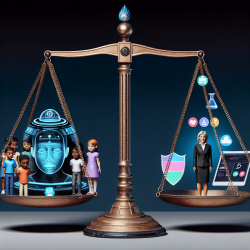
AI integration raises significant ethical concerns across technology risks (privacy, bias), education risks (curricular control), and societal risks (digital divide). Addressing these challenges is crucial to ensure AI enhances educational equity and quality.
Moving Forward
The findings indicate that successful AI integration requires addressing fundamental gaps between policy and practice while ensuring equitable access to both AI tools and literacy education. Developing comprehensive frameworks for ethical implementation is essential.
For more information, please follow this link.