Stigma within the healthcare system is a significant barrier to achieving optimal health outcomes for all individuals. It manifests through labeling differences, stereotyping, and creating separations between "us" and "them." Those who are stigmatized often face discrimination, leading to disadvantages in accessing healthcare services and poorer health outcomes.
The Experience of Stigma
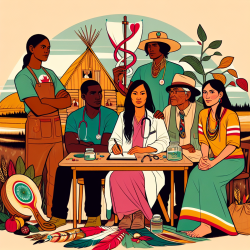
Consider Charles and Cynthia, fictional characters who represent real-world scenarios of experiencing stigma in healthcare. Charles is a Black gay man living with HIV who faces dismissive treatment from healthcare providers due to his identity and health status. Cynthia is a Cree woman who avoids seeking medical care due to previous negative experiences with biased healthcare professionals.
The Pathways of Stigma to Health Outcomes
Stigma operates at multiple levels: individual, interpersonal, institutional, and population. It begins with stereotypes and unequal power dynamics that lead to discriminatory practices. These practices can include demeaning language, social exclusion, and unfair treatment in healthcare settings.
Impact on Health
- Access to Resources: Stigma reduces access to essential resources like housing and healthcare.
- Chronic Stress: Experiencing stigma leads to chronic stress, negatively affecting physical and mental health.
- Increased Risk: Those stigmatized face higher risks of violence and assault.
Building an Inclusive Health System
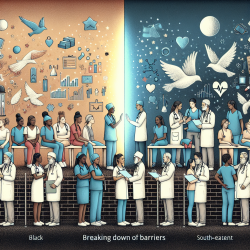
Creating an inclusive health system requires addressing stigma at all levels. This involves implementing cultural safety practices, trauma-informed care models, and ensuring equitable access to resources. Healthcare institutions should prioritize training for providers on implicit bias and cultural humility.
An Action Framework for Change
The Action Framework for Building an Inclusive Health System suggests multi-level interventions targeting individual, interpersonal, institutional, and population levels. These interventions should be informed by diverse ways of knowing, including Indigenous knowledge systems and the experiential knowledge of those with lived experience of stigma.
Principles for Effective Interventions
- Collaboration: Engage people with lived experience in developing solutions.
- Diverse Knowledge: Base interventions on research evidence and experiential knowledge.
- Cultural Safety: Implement culturally safe practices across all levels of care.
For more information on addressing stigma in healthcare systems towards a more inclusive environment, please follow this link.