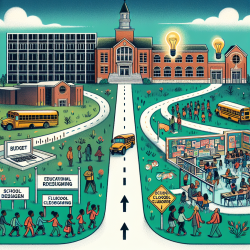

The landscape of K-12 education in California is shifting as districts face the challenge of declining enrollment. With projections indicating a continued decrease over the next two decades due to falling birth rates and migration patterns, district leaders are tasked with making strategic decisions to ensure the sustainability of their schools. This blog post explores key components from a toolkit designed to aid California district leaders in navigating these changes effectively.
Understanding Enrollment Decline
Enrollment decline affects not only the number of students but also the financial health of a district. Fewer students mean fewer state dollars, necessitating budget realignments. However, these adjustments can lead to opportunities for enhancing student experiences if approached proactively.
- Enrollment Projections: District leaders should make accurate enrollment and demographic projections to anticipate needs and design equitable and responsive schools.
- Fiscal Effects: Assessing the fiscal impact is crucial for responsible budgeting and ensuring that resources align with student needs.
Budgeting for Sustainability
A critical component of managing declining enrollment is aligning district initiatives with budgeting. Strategic budgeting can ensure that academic priorities are met even in a constrained financial environment.
- Align Initiatives: Collaborate across departments to ensure coherence between budgeting and strategic objectives.
- Increase Revenues: Explore new revenue streams such as local taxes or partnerships while maintaining strong attendance to maximize state funding.
- Audit Spending: Regular audits can identify inefficiencies and opportunities for reallocating funds toward impactful initiatives.
Innovative Staffing and Instructional Models
The toolkit suggests adopting flexible staffing structures and innovative instructional models to enhance learning outcomes while managing costs.
- Flexible Scheduling: Implementing flexible scheduling can maximize resource use and improve student engagement.
- Innovative Instructional Models: Models such as dual enrollment or project-based learning can offer personalized learning experiences.
Navigating School Closures and Consolidations
Inevitable in some cases, school closures require careful planning to minimize disruption and maximize opportunities for improvement.
- Equitable Approaches: Engage communities transparently in closure decisions to ensure equity and minimize negative impacts on students.
- Welcoming Schools: Support schools receiving new students by fostering inclusive cultures that integrate students from closed sites seamlessly.
Leveraging Partnerships and Facilities
Districts can enhance their educational offerings by partnering with external organizations and utilizing underutilized facilities creatively.
- External Partnerships: Collaborations with nonprofits or businesses can provide additional resources and expertise that align with district goals.
- Facility Utilization: Repurposing vacant properties for community services or workforce housing can generate revenue while serving broader community needs.
Conclusion
Navigating declining enrollment is undoubtedly challenging, but it also presents an opportunity for district leaders to innovate and strengthen their school systems. By proactively addressing budget constraints, redesigning instructional models, engaging communities in meaningful ways, and leveraging partnerships, districts can create resilient educational environments that meet the needs of all students. For more information on this topic, please follow this link.