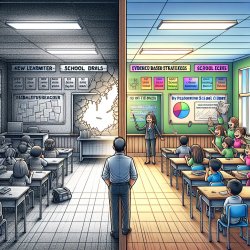

In today's educational landscape, the safety of students and staff is a paramount concern. Lockdown drills have become an essential part of school procedures to prepare for potential emergencies. However, the effectiveness of these drills often depends on clear communication and proper execution. In this blog, we delve into the importance of communication during lockdown drills and how it contributes to creating a safe space within the educational community.
The Current Landscape
According to Washington State requirements, schools must conduct at least one safety-related drill per month. These drills encompass various scenarios such as sheltering in place, lockdowns, and evacuations. Despite these efforts, statistics reveal a concerning gap in perceived preparedness among students.
- 102 out of 155 students reported not feeling adequately prepared by lockdown drills and procedures.
- 53 out of 155 students felt that they were prepared for potential incidents.
- A staggering 65% of students expressed feelings of unpreparedness for possible lockdown situations.
The Stories Behind the Numbers
The statistics tell one story, but personal experiences paint a more vivid picture. During lockdown drills, teachers often find themselves muddled about the procedures. Communication between administration and students can be lacking, leading to disquieting emotions among students who are left unaware of what is happening both during and after an incident.
A representative from SS-SWAC YAC poignantly stated, "A student's imagination is worse than reality." This highlights the necessity for clear communication to alleviate unnecessary anxiety.
Proposed Solutions for Improvement
The current approach to lockdown drills may benefit from several enhancements:
- Advanced Notifications: Sending emails or making PA announcements before and after drills can prepare everyone involved.
- Specific Staff Training: Providing training at the start of the school year ensures that teachers are well-equipped to handle these situations.
- Increased Frequency: Conducting more frequent drills (3-4 times annually) helps reinforce procedures.
- Diverse Scenarios: Drills should occur in various settings such as during lunch or assemblies to ensure familiarity in different contexts.
- Clear Communication: Announcements should specify whether an event is a drill or an actual emergency to avoid confusion.
A Call to Action: Let's Make It Work!
The goal is simple: ensure that both students and staff feel as confident about lockdown procedures as they do about other emergency drills like evacuations. By implementing standardized procedures and improving communication, we can create a safer educational environment where everyone knows their role during an emergency.
If you would like more information on this topic or have any questions, please follow this link.