
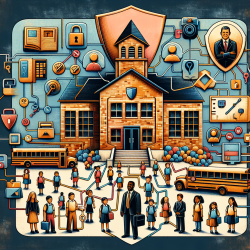
The safety and security of K-12 schools is a critical concern for educators, parents, and communities alike. With millions of children attending schools across the United States daily, ensuring their safety while maintaining an environment conducive to learning is paramount. The Cybersecurity and Infrastructure Security Agency (CISA) has addressed this need through the development of a comprehensive K-12 School Security Guide. This guide provides a systems-based approach to layered physical security planning, offering practical solutions for schools to enhance their safety measures without compromising their educational missions.
The Importance of a Systems-Based Approach
A systems-based approach to school security involves integrating various security measures across a campus to work cohesively. This method ensures that all elements of the school's safety plan—physical equipment, technology, personnel roles, policies, and training—operate in concert. By viewing physical security as part of the broader school safety system, schools can effectively prevent, detect, delay, and respond to threats.
Key Components of the System
- Physical Security Equipment and Technology: Includes surveillance cameras, access control systems, and emergency notification systems.
- Site and Building Design Features: Incorporates Crime Prevention Through Environmental Design (CPTED) principles to enhance natural surveillance and deter criminal activity.
- Personnel and Staff: Involves trained security personnel or designated staff members responsible for monitoring and responding to incidents.
- Policies and Procedures: Establishes clear guidelines for staff and students on how to act during emergencies.
- Training Programs: Regular drills and training sessions ensure that everyone in the school community knows their role during an emergency.
A Layered Approach to Security
The guide emphasizes the importance of implementing a layered approach to school security. This involves addressing potential threats at multiple levels:
- The Grounds Perimeter Layer: Establishes clear boundaries with fencing or natural barriers to deter unauthorized access.
- The School Grounds Layer: Covers outdoor areas like parking lots and playgrounds, using lighting and surveillance to monitor activity.
- The Building Perimeter Layer: Secures entry points with access control measures like locked doors and monitored entrances.
- The Building Interior Layer: Focuses on securing classrooms and common areas with reinforced doors and emergency communication systems.
Tackling Common Challenges
The implementation of physical security measures is not without challenges. Schools must navigate complex policy landscapes at federal, state, and local levels while ensuring compliance with building codes and regulations. Funding constraints often limit what can be achieved within tight budgets. Additionally, schools must balance the need for security with maintaining a welcoming environment for students.
Navigating Policy Complexities
A thorough understanding of relevant laws such as the Family Educational Rights and Privacy Act (FERPA) and the Americans with Disabilities Act (ADA) is essential. Schools should develop policies that respect civil liberties while enhancing safety measures. Collaboration with local law enforcement and first responders can ensure that implemented measures align with legal requirements.
Overcoming Financial Limitations
Sourcing funding for security improvements can be challenging but is crucial for implementing effective measures. Schools may explore grants or partnerships with local businesses or community organizations to offset costs. Prioritizing cost-effective solutions like improved lighting or volunteer patrols can also enhance security without significant financial outlay.
The Road Ahead
The journey towards creating safer schools requires ongoing commitment from all stakeholders involved in education. By adopting a systems-based approach to layered physical security planning, schools can effectively safeguard their students while preserving the integrity of their educational mission. The CISA K-12 School Security Guide serves as a vital resource in this endeavor, offering actionable insights and strategies tailored to meet diverse needs across different school contexts.
For more information on creating safe learning environments through comprehensive school security planning, please follow this link.