
In today’s fast-paced world, it's essential for educators and parents to equip children with tools to manage their emotions and stress effectively. The "Emotion and Stress Regulation Magic Toolbox" is an invaluable resource designed to enhance emotional awareness, regulation, engagement, and attention in students. Let's dive into some of the key components that make this toolbox a must-have for every classroom.
Understanding Emotions: Building Awareness
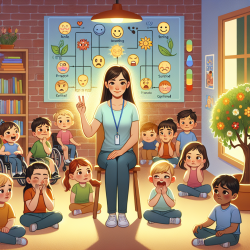
The first step towards emotional regulation is awareness. Activities like "If You're Happy and You Know It" encourage students to identify good and not-so-good feelings through interactive singing. Similarly, the "Emotions Wheel" helps students visualize emotions, providing a platform for them to express when they felt certain ways.
- If You’re Happy and You Know It: A musical approach to identifying emotions.
- Emotions Wheel: Encourages drawing feelings and discussing bodily sensations associated with emotions.
- Feelings Bingo: A fun game where students mark emotions on a bingo card as they are named.
The Zones of Regulation: Teaching Self-Control
The "Zones of Regulation" framework categorizes emotions into different zones—Green, Blue, Yellow, and Red—each representing a different state of mind or emotion. This model helps students understand which zone they are in and how to transition to a more productive state.
- The Green Zone: Ideal for learning; represents calmness and focus.
- The Blue Zone: Indicates low energy or sadness; strategies include taking breaks or seeking support.
- The Yellow Zone: Represents elevated emotions like stress or excitement; managed through deep breaths or yoga poses.
- The Red Zone: Intense feelings such as anger or panic; managed by counting or talking about problems.
Tucker Turtle: A Story of Calmness
Tucker Turtle teaches students how to calm down by thinking like a turtle—recognizing feelings, thinking 'stop', retreating into their 'shell' with deep breaths, then emerging with a solution. This story-based approach is engaging for young learners and provides a memorable strategy for managing emotions.
Belly Breaths and Beyond: Relaxation Techniques
Belly breathing is a simple yet effective technique to calm anger. By placing hands on the belly while breathing deeply, students can visibly see the calming effect of their breath. Other activities such as "One-Two-Three Breathe" and "Alternate Nostril Breathing" offer additional ways to promote relaxation in the classroom.
- Belly Breaths: Hands-on technique to soothe anger.
- One-Two-Three Breathe: Structured breathing exercise for transitions.
- Alternate Nostril Breathing: Enhances focus by balancing breath through nostrils.
Cultivating Engagement: Attention Grabbers
A dynamic classroom is one where attention is easily captured and maintained. Strategies like "Attention Grabbers" use rhythmic claps or phrases to quickly regain student focus. Additionally, games such as "Simon Says" enhance listening skills while providing physical activity.
- S.S.L.A.N.T.: A mnemonic device setting expectations for attentive behaviors like smiling and listening.
- "Simon Says": A classic game that promotes motor skills and attentiveness.
Nurturing Relationships: Building Connections
The toolbox also emphasizes relationship building through activities like "PRIDE Skills," which encourage positive reinforcement, reflection, imitation, description, and enthusiasm in interactions with students. The "Kindness Chain" fosters a supportive environment by having students share positive affirmations with each other.
- "PRIDE Skills":A framework for positive interactions with children.
- "Kindness Chain":A circle activity promoting kindness through affirmations.
The Importance of Teacher Self-Care
An often overlooked aspect of classroom management is teacher self-care. Techniques such as deep breathing exercises or progressive muscle relaxation help educators maintain their well-being, ensuring they are at their best when supporting their students.
- "Deep Breathing":A simple practice for calming the mind during stressful moments.
- "Progressive Muscle Relaxation":A methodical approach to releasing tension from the body.
This magic toolbox is more than just a collection of activities; it's a comprehensive guide that empowers both students and teachers to navigate the complexities of emotions effectively. By integrating these strategies into daily routines, classrooms become nurturing environments where emotional intelligence thrives. For more information on these activities and additional resources, please follow thislink.