
As a Special Education Director, I have witnessed firsthand the challenges that young children face when transitioning into a new school environment. These transitions can be particularly daunting for children with autism spectrum disorders (ASD) or limited social skills. However, there is an innovative strategy that is gaining traction in the education community: social stories.
The Concept of Social Stories
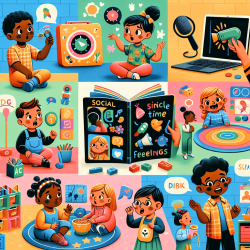
Social stories are personalized narratives crafted by educators to address specific needs of individual children. Originally developed to support children with ASD, these teacher-made books focus on topics like classroom routines or social interactions. They help children understand and predict social situations, ultimately leading to successful outcomes.
Social stories are unique because they are tailored to each child’s experiences and perspectives. They use four key elements: descriptive, perspective, affirmative, and directive sentences. This structure provides a comprehensive approach to storytelling that supports a child’s understanding of social norms and expected behaviors.
Case Studies: Patrick and Luke
Let's explore how social stories have transformed the school experiences of two young children: Patrick and Luke.
Patrick's Journey
Patrick, a typically developing toddler, faced difficulties separating from his parents when he started attending a Montessori program. His caregiver created a social story using photographs of Patrick’s daily routine—from exiting the car to engaging in classroom activities. This personalized book allowed Patrick to anticipate his day, significantly reducing his anxiety during morning transitions.
Luke's Experience
Luke, a four-year-old entering preschool, struggled with confusion and hesitation each morning. His teachers crafted a short social story titled "Luke Goes to School," featuring photos of him engaging in daily activities like greeting friends and writing in his journal. With the help of this story, Luke became more comfortable entering the classroom independently.
The Benefits of Social Stories
Social stories offer numerous benefits for young children:
- Memory Development: Story scripts provide general information about what will happen and when, enhancing memory performance.
- Self-Regulation: As language skills develop, social stories guide children on expected behaviors and help them manage emotions.
- Empathy Building: By understanding different perspectives within stories, children develop empathy for others.
- Social Integration: Social stories facilitate smoother transitions into new social groups by providing predictable routines.
These benefits make social stories an invaluable tool not only for children with special needs but also for typically developing toddlers who thrive on visual learning and storytelling.
The Role of Educators and Parents
The success of social stories relies heavily on collaboration between educators and parents. Teachers act as "social coaches," guiding children through transitions with patience and understanding. Parents play a crucial role in reinforcing these stories at home and supporting their child's journey into new environments.
The flexibility and adaptability of social stories make them suitable for various educational settings. As we continue to explore their potential, it becomes clear that these narratives are not just about easing transitions but also about empowering children to navigate the complexities of school life confidently.
If you are interested in learning more about using social stories effectively, please follow this link.