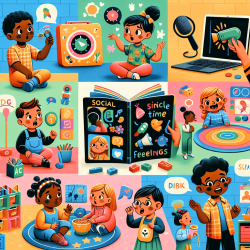

Social Stories are a powerful tool in the realm of special education, specifically designed to help individuals with autism understand and navigate social situations. Developed by Carol Gray in 1991, these narratives aim to provide clear and concise explanations of social interactions, behaviors, and skills.
The Foundation of Social Stories
A Social Story accurately describes a context, skill, achievement, or concept according to ten defining criteria. These criteria ensure that the story is descriptive, meaningful, respectful, and safe for the audience. The primary goal is to share accurate information using a format and voice that is both patient and supportive.
The Ten Criteria of Social Stories
- The Goal: Share accurate information using a process that is descriptive and emotionally safe.
- Two-Step Discovery: Improve understanding of the audience and identify the focus of each story.
- Three Parts and a Title: Include a title, introduction, body, and conclusion that reinforces information.
- FOURmat Makes it Mine: Tailor the format to the individual abilities and interests of the audience.
- Five Factors Define Voice & Vocabulary: Use a patient tone with first- or third-person perspective statements.
- Six Questions Guide Story Development: Answer relevant 'wh' questions about context.
- Seven is About Sentences: Use Descriptive Sentences with optional Coaching Sentences.
- A GR-EIGHT Formula: Ensure that every story describes more than it directs.
- Nine to Refine: Review and revise drafts to meet all criteria.
- Ten Guides to Implementation: Ensure consistency in development and use of stories.
The Impact of Social Stories
The effectiveness of Social Stories lies in their ability to break down complex social scenarios into understandable segments. They offer individuals with autism a structured way to process social cues and respond appropriately. This method has been shown to improve communication skills and reduce anxiety related to social interactions.
Crafting an Effective Social Story
An effective Social Story should be tailored to the individual's needs. This involves gathering information through observations and consultations with educators, parents, and therapists. The story should focus on specific topics relevant to the individual's experiences, such as attending a workshop or learning new skills like toileting or writing.
Practical Applications in Education
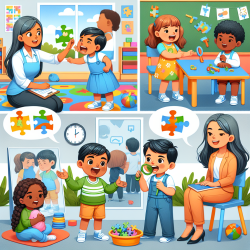
Educators can integrate Social Stories into their teaching strategies by addressing common challenges faced by students with autism. For example, helping a child understand how to behave at a birthday party or adapt to changes in staff at a group home can be effectively managed through well-crafted stories.
The versatility of Social Stories allows them to be used across various settings—from classrooms to therapy sessions. They serve as both educational tools and therapeutic interventions that foster social competence among individuals with autism.
The continuous development of Social Stories is crucial for maintaining their relevance and effectiveness. Staying informed about updates in research ensures that educators can provide the best support possible for their students.
If you're interested in learning more about creating impactful Social Stories, consider attending workshops or accessing online resources for additional guidance.
For more information on writing effective Social Stories, please follow this link.