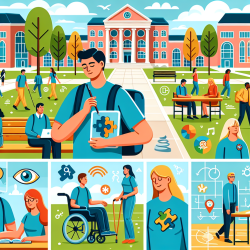

In today's educational landscape, embracing neurodiversity is more crucial than ever. Neurodiversity is an umbrella term that includes various conditions such as dyspraxia, dyslexia, attention deficit hyperactivity disorder (ADHD), dyscalculia, autism spectrum disorder, and Tourette syndrome. This concept views these differences not as deficiencies but as natural variations of the human brain.
Heather Stelljes from the University of Wisconsin–Madison describes neurodiversity as a tool of inclusion. It encompasses broad personal experiences like psychiatric diagnoses such as anxiety and depression, along with language disorders. By understanding and embracing these differences, educators can create more inclusive environments that cater to all students.
The Power of Language
Language plays a vital role in how we perceive and interact with neurodiverse individuals. While a community can exhibit neurodiversity, an individual may be described as neurodivergent. This nonmedical term refers to people whose brains develop or function differently due to medical disorders or learning disabilities.
It's essential to use language that respects the identities of neurodivergent individuals. For instance, some prefer "autistic person" over "person with autism" to emphasize identity rather than disorder. Avoiding terms that suggest disorder or abnormality helps foster a more inclusive atmosphere.
Accommodations for Neurodivergent Students
Many neurodivergent students qualify for academic accommodations designed to support their unique learning needs. These accommodations might include:
- Extended time on exams
- Provision of lecture materials before class
- Use of adaptive technologies
- The ability to type rather than hand-write responses
However, qualifying for accommodations doesn't always mean students will register for or use them. Barriers such as stigma or lack of awareness might prevent students from seeking the help they need. Educators must work to eliminate these barriers and encourage students to take advantage of available resources.
Creating Student-Friendly Classrooms
Megan Reilly from UW-Madison suggests several strategies to make classrooms more accommodating for neurodivergent students:
- Upload class syllabi and resources on platforms like Canvas by the first day of class.
- Explain the importance of attending class while allowing flexibility for attendance.
- Establish working agreements with each class regarding behavior and communication.
- Encourage relationship-building among students.
- Pay attention to quieter students to ensure they have opportunities to participate.
- Incorporate games into lessons to enhance engagement.
- Share personal experiences with neurodiversity if comfortable doing so.
The Importance of Communication
The UC Davis Center for Educational Effectiveness emphasizes clear and direct communication when teaching neurodivergent students. It's important to:
- Avoid patronizing language and provide context for jokes or idioms.
- Allow ample time for processing information and set firm due dates when possible.
- Acknowledge accommodation requests for alternative communication forms.
- Avoid subjective grading systems and reduce pressure in uncomfortable situations.
The Role of Universal Design for Learning (UDL)
The Universal Design for Learning framework aims to optimize teaching and learning for all students by offering multiple means of engagement, representation, action, and expression. UDL encourages:
- Designing options that welcome diverse interests and identities.
- Supporting multiple ways of perceiving information.
- Nurturing joy and play while addressing biases in language and symbols.
- Fostering collaboration and collective learning experiences.
The ultimate goal is to promote learner agency that is purposeful, reflective, resourceful, authentic, strategic, and action-oriented. By applying UDL principles, educators can ensure all learners have access to meaningful opportunities that challenge them appropriately.
The journey toward an inclusive educational environment requires effort from educators at all levels. By understanding the nuances of neurodiversity and implementing supportive strategies such as those outlined above, we can create classrooms where every student has the opportunity to thrive.
For more information, please follow this link.