In the realm of speech-language pathology, fostering creativity in children is not merely an aspirational goal but a critical component of holistic development. The research article "Exploring Children’s Creative Self-Efficacy Affected by After-School Program and Parent–Child Relationships" by Liang and Yuan provides invaluable insights that can guide practitioners in creating data-driven, effective interventions.
The study, conducted in Taiwan, involved 550 participants ranging from elementary to junior high school students. It examined the impact of after-school programs, parenting styles, and parent-child relationships on children's creative self-efficacy. The findings underscore the importance of these factors in nurturing creativity, a trait crucial for problem-solving and independent thinking.
Key Findings and Practical Applications
1. The Role of After-School Programs
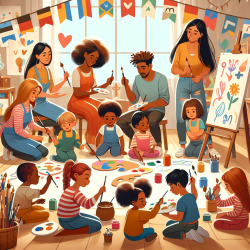
The research highlights that after-school programs significantly influence children's creative self-efficacy. These programs offer a structured yet flexible environment that encourages creative thinking and autonomy. For practitioners, this means advocating for or designing after-school activities that promote exploration and creative problem-solving.
- Incorporate activities that stimulate creativity, such as arts and crafts, storytelling, and science experiments.
- Provide opportunities for children to lead projects or make choices about their activities.
2. Parenting Styles and Their Impact
The study identified two parenting styles—punitive discipline and autonomy support—that affect children's creative self-efficacy through their impact on parent-child relationships.
- Punitive Discipline: This style negatively impacts parent-child relationships and, subsequently, creative self-efficacy. Practitioners should educate parents on the adverse effects of punitive measures and encourage positive reinforcement strategies.
- Autonomy Support: This style positively influences parent-child relationships and enhances creative self-efficacy. Encouraging parents to support their children's independence and decision-making can foster a nurturing environment for creativity.
3. The Importance of Positive Parent-Child Relationships
Positive parent-child relationships are pivotal in developing children's creative self-efficacy. Practitioners can play a crucial role in facilitating these relationships by offering parent training programs that focus on effective communication, emotional support, and collaborative problem-solving.
Encouraging Further Research
While the study provides significant insights, it also opens avenues for further research. Practitioners are encouraged to explore:
- The long-term effects of after-school programs on creative self-efficacy across different cultural contexts.
- Additional parenting styles and their nuanced impacts on children's creativity.
- Interventions that can mitigate the negative effects of punitive discipline.
By integrating these findings into practice, speech-language pathologists can significantly contribute to the holistic development of children, fostering environments that not only support speech and language growth but also creative thinking and problem-solving skills.
To read the original research paper, please follow this link: Exploring Children’s Creative Self-Efficacy Affected by After-School Program and Parent–Child Relationships.