In a world where diversity is a cornerstone of societal development, education systems must evolve to reflect this richness. The Culturally Responsive-Sustaining (CR-S) Education Framework offers a transformative approach to teaching that places students' cultural identities at the heart of learning. This framework is not merely an educational strategy but a comprehensive guide to creating inclusive and equitable learning environments.
Understanding the CR-S Framework
The CR-S framework is designed to help educators develop student-centered learning environments that affirm cultural identities, foster academic excellence, and prepare students for independent learning. By elevating historically marginalized voices, this framework empowers students as agents of social change.
Central to the CR-S approach is the acknowledgment of various stakeholders' roles, including educators, students, families, and community members. By working together, these groups can create an educational system that values diversity as an asset rather than a challenge.
The Four Principles of CR-S Education
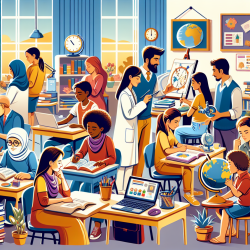
- Welcoming and Affirming Environment: This principle emphasizes creating safe spaces where all cultural identities are respected and valued. It involves building relationships with students and their families and integrating their cultural backgrounds into the learning process.
- High Expectations and Rigorous Instruction: Educators are encouraged to maintain high expectations for all students while providing rigorous instruction that challenges them to think critically and engage with complex ideas.
- Inclusive Curriculum and Assessment: The curriculum should reflect diverse perspectives and include voices that have been historically marginalized. Assessment methods should be adaptable to different learning styles and cultural contexts.
- Ongoing Professional Learning: Educators should engage in continuous professional development focused on equity, anti-bias education, and culturally responsive teaching practices.
Building Bridges Across Differences
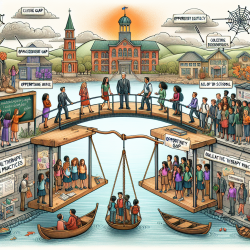
The CR-S framework aims to develop students' abilities to connect across lines of difference. By understanding and appreciating diverse perspectives, students learn to collaborate effectively in diverse environments. This skill is crucial not only in academic settings but also in preparing students for global citizenship.
Moreover, the framework encourages educators to use culturally relevant pedagogy that connects learning content with students' lived experiences. This approach not only enhances engagement but also makes learning more meaningful and relevant.
Empowering Students as Change Agents
A critical aspect of the CR-S framework is empowering students to become agents of social change. By fostering a sense of agency and encouraging critical thinking about social justice issues, educators can inspire students to actively participate in creating a more equitable society.
This empowerment is achieved through project-based learning opportunities that focus on real-world issues. Students are encouraged to take leadership roles in their communities, using their knowledge and skills to drive positive change.
The Role of Stakeholders in CR-S Education
The success of the CR-S framework relies on the collaboration of various stakeholders. Educators must work closely with families and communities to ensure that educational practices are inclusive and culturally responsive. School leaders play a vital role in supporting teachers through professional development opportunities and fostering an inclusive school climate.
The framework also calls for policy-makers to support initiatives that promote equity and inclusion at all levels of education. By aligning policies with CR-S principles, stakeholders can create systemic change that benefits all students.
Conclusion
The Culturally Responsive-Sustaining Education Framework represents a significant shift towards a more inclusive and equitable education system. By affirming cultural identities, promoting rigorous instruction, and empowering students as social change agents, this approach prepares learners for success in an increasingly diverse world.
For more information, please follow this link.