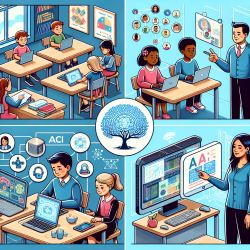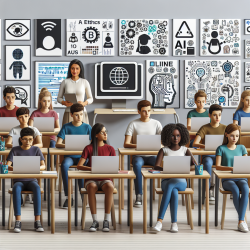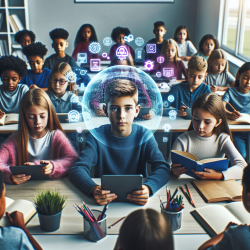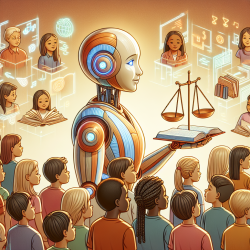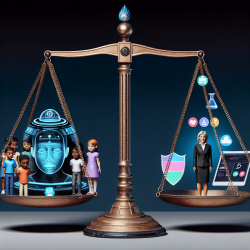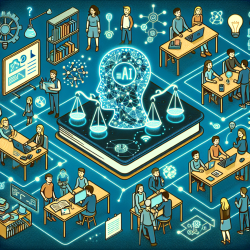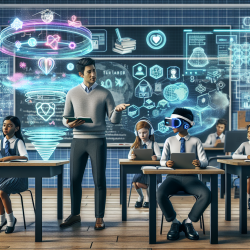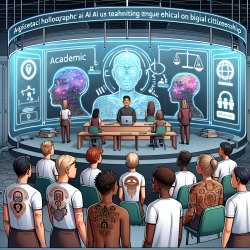
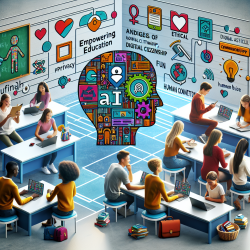
The landscape of education is evolving rapidly with the integration of Artificial Intelligence (AI) tools. While these advancements hold promising potential, it is crucial to remember that education remains fundamentally relational. The heart of learning beats strongest through the human connections between educators and students. As we explore the possibilities AI offers, we must ensure that these tools serve as complements to human interaction rather than replacements.
The Role of AI in Education
The federal government's Artificial Intelligence and Data Act (AIDA) has highlighted the sensitivity of minors' information but has yet to address the unique challenges of integrating AI into public education. This oversight necessitates a cautious approach in adopting AI technologies within schools.
AI tools can enhance educational processes by providing support in teaching, learning assessment, and reporting. However, it is imperative for educators to critically evaluate these technologies. School boards may have access to user data, which raises concerns about privacy and the potential development of performance metrics for employees.
Responsible Digital Citizenship
As AI usage proliferates within educational settings, responsible digital citizenship becomes more important than ever. Educators should adhere to their school board's approved list of resources and seek approval when uncertain. Training on AI tools should not only cover their use but also include examining biases and inequities inherent within them.
- Prioritize ethical use: Ensure AI tools are used humanely and responsibly.
- Evaluate critically: Understand data collection processes and check for bias.
- Use professional judgment: Decide when AI tools are appropriate for supporting teaching.
- Cite sources: Attribute credit to all original sources, including those generated by AI.
- Acknowledge privacy concerns: Be cautious with information entered into AI systems.
- Follow guidelines: Use only approved digital tools according to school district policies.
Navigating Ethical Considerations
The ethical considerations surrounding AI in education are multifaceted. It is vital to understand who drives the adoption of specific AI tools within schools—whether it is tech companies or educators themselves. Involving a diverse group of educators in selecting and evaluating these tools ensures a broader perspective and promotes fairness.
The principles of ethics by design outlined by Education International emphasize transparency, privacy protection, addressing biases, and fostering human agency. These principles should guide the integration of AI technologies into educational environments.
Cautions and Reflections
The rapid implementation of AI systems without adequate evaluation poses several risks:
- Lack of professional development: Teachers often receive insufficient training on new technologies.
- De-professionalization risk: Automation may undermine the teaching profession's integrity.
- User privacy threats: Insufficient safeguards can compromise user security.
- Surveillance concerns: Increased use of AI may lead to unwarranted monitoring of educators' performance.
The incorporation of AI into educational settings should empower educators while respecting their professional judgment. Ongoing reflection on questions such as the potential barriers to accessing AI tools or ensuring they enhance critical thinking skills is essential for maintaining a balanced approach.