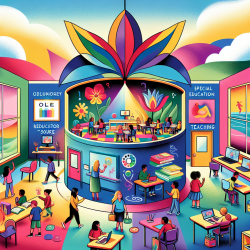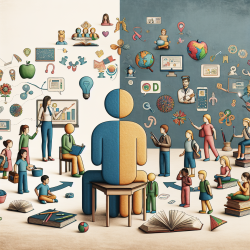

In today's increasingly diverse educational landscape, the need for collaboration among educators and therapists has never been more crucial. The challenges faced by students with varied needs require a united approach to ensure their success. This blog explores a groundbreaking pilot study that highlights the significance of collaboration between preprofessional occupational therapists and early childhood special education student teachers.
The Collaborative Design Model: A New Approach
The Collaborative Design Model was developed to foster effective collaboration among preprofessionals—those still in training to become certified educators or therapists. This model is a 12-week interprofessional education practice that allows participants to learn with, from, and about each other. By doing so, it aims to provide high-quality services to students in classroom settings.
The model emphasizes the development of collaboration skills and self-efficacy. These are essential components for professionals entering diverse classrooms. The initial findings suggest that this model can significantly enhance these skills, preparing preprofessionals to address the needs of students at risk or with disabilities effectively.
Why Collaboration Matters
The importance of collaboration in education cannot be overstated. As student populations become more diverse, the ability to work together across disciplines becomes vital. Research indicates that fostering collaboration among teachers and related service personnel leads to more effective interventions and improved outcomes for students with disabilities.
Despite its importance, many educational programs do not adequately focus on teaching collaboration skills. This oversight is partly due to the assumption that such skills develop naturally. However, structured opportunities for learning these skills are essential for preprofessionals.
The Role of Self-Efficacy
Teacher self-efficacy refers to a teacher's belief in their ability to meet their students' needs. This belief is crucial as it impacts how they handle classroom challenges. The Collaborative Design Model addresses this by providing opportunities for preprofessionals to gain confidence through practicum experiences, mentorship, and collaborative practice.
Pilot Study Insights
The pilot study conducted at Southwestern University Preschool (SUP) provided valuable insights into the model's effectiveness. Participants included two preprofessional occupational therapists and two early childhood special education teachers from different universities.
- Cohesive Teamwork: The participants began viewing each other as valued colleagues rather than just resources.
- Diverse Skillsets: ECSPED teachers contributed classroom management strategies while occupational therapists offered intervention techniques.
This collaborative environment allowed participants to reflect on their professional practices and recognize areas for growth. They acknowledged the need for more structured time to collaborate once they enter their professions.
The Way Forward
The initial success of the Collaborative Design Model points toward its potential benefits when integrated into broader educational programs. However, challenges such as differing academic calendars and limited program duration need addressing to maximize its impact.
This model not only prepares future educators and therapists but also ensures that students like Chris—who inspired this initiative—receive comprehensive support in inclusive classrooms.
Conclusion
The Collaborative Design Model demonstrates that when educators and therapists work together, they can significantly enhance student outcomes. By embedding collaboration into educational programs, we can cultivate a culture where professionals learn from each other’s strengths and support students more effectively.