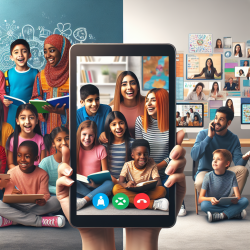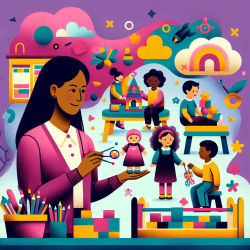

Middle school is a pivotal time in a child's life, marked by rapid changes and new challenges. It is during these years that students begin to form their identities, grapple with new social dynamics, and lay the groundwork for their future academic and career success. At the heart of this transformative period are middle school counselors—educators uniquely trained to guide students through these developmental changes.
Understanding the Middle School Years
Middle school students are characterized by a need to explore various interests, connect classroom learning to real-world applications, and develop a unique identity. This period is also marked by high levels of activity, frequent fatigue due to growth spurts, and an increased reliance on peers for validation. Such dynamics underscore the need for effective counseling programs that address both academic and social/emotional development.
The ASCA National Model: A Framework for Success
Research has consistently shown that comprehensive school counseling programs, as outlined by “The ASCA National Model: A Framework for School Counseling Programs,” have a positive impact on student achievement. These programs are designed to provide education, prevention, and intervention activities that are integrated into all aspects of students’ lives.
The model emphasizes data-informed practices that focus on results. By using tools like the ASCA Mindsets & Behaviors for Student Success, counselors can design programs that align with the school's mission to support student achievement. These efforts include direct services such as instruction, appraisal, advisement, and counseling, as well as indirect services like consultation, collaboration, and referrals.
Collaboration: Key to Removing Barriers
Middle school counselors do not work in isolation. Instead, they collaborate with school administrators, teachers, parents, and community stakeholders to create a supportive learning environment. This collaboration is crucial in identifying students’ academic and social/emotional needs early on and providing necessary interventions to remove barriers to learning.
- Direct Services: These include teaching the school counseling curriculum through instruction and providing professional support during times of transition or stress.
- Indirect Services: Counselors consult with parents and teachers to share strategies that support student achievement and make referrals for additional resources when needed.
The Impact of Effective Counseling Programs
The positive impact of effective school counseling programs is well-documented. Research demonstrates improvements in academic performance, attendance rates, and social/emotional development when comprehensive counseling programs are implemented. These improvements are critical as students prepare for the complexities of the 21st-century world.
Counselors play a vital role in helping students set informed career goals and develop positive social skills. By promoting personal growth and academic achievement, they ensure that students become productive members of their communities.
The Path Forward
As we continue to recognize the importance of middle school counselors in shaping future generations, it is essential to support these professionals through ongoing training and professional development. Membership in professional associations can further enhance counselors' knowledge and effectiveness.
For more information about the critical role of middle school counselors and the ASCA National Model, please follow this link.