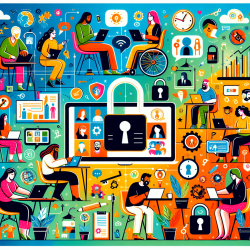

In today's rapidly evolving work environment, the hybrid model has become a norm for many organizations. While this offers flexibility and adaptability, it also brings unique challenges, particularly in understanding and managing biases that can impact team dynamics. As leaders, it's crucial to address these biases to ensure a productive and inclusive workplace.
The Impact of Bias on Hybrid Teams
Cognitive biases are mental shortcuts that influence our thinking and behavior. There are over 50 types of cognitive biases that can affect decision-making processes. In hybrid teams, these biases can lead to misunderstandings, resistance to change, and even discriminatory practices.
- Status Quo Bias: This bias leads us to prefer things to remain the same. In a hybrid setup, some may resist remote work simply because it's different from the traditional office environment.
- Anchoring Bias: This occurs when we rely heavily on initial information or experiences. For example, if the first rollout of a digital tool is successful, it might be assumed effective for all situations without further evaluation.
- Confirmation Bias: We tend to favor information that confirms our existing beliefs. This can lead to overlooking studies or data that contradicts our preconceived notions about remote work effectiveness.
- False Consensus Effect: We often believe more people share our views than is actually the case. This can result in assuming consensus about team dynamics or workplace policies.
- Proximity Bias: We may incorrectly assume those we see working in person are more productive than remote workers.
The Role of Implicit Bias
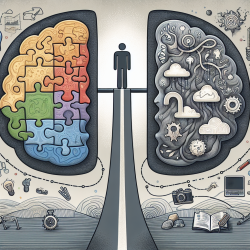
Implicit biases operate outside our conscious awareness and are influenced by factors such as gender, race, social class, and personal experiences. These biases shape our attitudes and decisions, often without us realizing it. In a hybrid team setting, implicit biases can affect how we perceive colleagues' contributions based on their physical presence or absence.
Why This Matters
Biases can hinder the effectiveness of hybrid teams by fostering environments that are resistant to change or innovation. They can perpetuate inequalities and limit opportunities for growth and collaboration. Understanding these biases is the first step toward mitigating their impact.
Tackling Bias in Hybrid Workplaces
- Increase Self-Awareness: Recognize your own biases and reflect on how they influence your decisions. Consider how they might affect team members differently based on their roles or work locations.
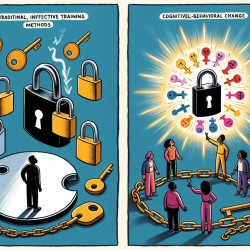
- Shift Your Mindset: Engage in practices that challenge your biases. Reflect on your attitudes and behaviors, seek diverse perspectives, and participate in training sessions focused on bias awareness.
- Create Inclusive Norms: Establish ground rules that promote equity in attention and opportunities for all team members, regardless of their physical location.
Acknowledging biases is not enough; we must actively work towards reducing their impact by fostering an inclusive culture where every team member feels valued and heard.
The Path Forward
The transition to a hybrid work environment requires openness to new ideas and approaches. Leaders should encourage conversations about successes and challenges within their teams to promote continuous learning and improvement.
The Human Resources, Health, Safety + Environment (HRHSE) offers resources for leadership development and setting expectations for team norms. Engaging with these resources can help leaders manage hybrid teams more effectively.
If you are interested in exploring more about bias awareness and its impact on hybrid teams, please follow this link.