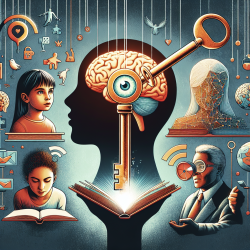

Dyslexia is a term often shrouded in mystery and misconceptions. As educators, parents, or advocates, understanding dyslexia is crucial in providing the right support for our learners. This blog aims to demystify dyslexia, clear up common myths, and offer insights into effective strategies for supporting students who face this challenge.
What is Dyslexia?
Dyslexia is a specific learning disability that is neurological in origin. According to the International Dyslexia Association, it is characterized by difficulties with accurate or fluent word recognition and poor spelling and decoding abilities. These challenges often stem from a deficit in the phonological component of language—an unexpected difficulty given other cognitive abilities and the provision of effective classroom instruction.
The secondary consequences of dyslexia may include problems in reading comprehension and reduced reading experience, which can impede vocabulary growth and background knowledge. Understanding these aspects is crucial in supporting learners effectively.
Dispelling Myths About Dyslexia
There are numerous myths surrounding dyslexia that need to be addressed:
- Myth: Students with dyslexia see things backwards.
- Truth: While early readers may experience reversals, dyslexic students have difficulty retrieving accurate visual representations rather than seeing things backwards.
- Myth: Dyslexia is more common in boys.
- Truth: Boys are often identified more due to behavior; however, dyslexia affects both genders equally.
- Myth: Dyslexia is linked with left-handedness or lower intelligence.
- Truth: Dyslexia occurs across all levels of intelligence and affects both right- and left-handed individuals.
Identifying Common Deficits
The journey to understanding dyslexia involves recognizing its manifestations. Students may exhibit deficits in:
- Phonological Processing: Difficulties with sound-symbol connections and phonemic awareness can hinder reading fluency.
- Orthographic Processing: Challenges in processing letters, letter patterns, and whole words impact spelling and reading accuracy.
- Dysgraphia: Problems with handwriting can affect compositional fluency and quality.
Supporting Our Learners
Dyslexic students benefit from targeted instruction that focuses on repetition, fluency, word structure study, and multi-sensory learning approaches. Key strategies include:
- Repetition: Reinforcing skills through repeated practice helps solidify learning.
- Multi-Sensory Techniques: Engaging multiple senses can enhance reading and writing skills.
- Structured Literacy Programs: Programs that focus on systematic phonics instruction can be particularly beneficial.
A student named Max exemplifies success through targeted intervention. After 14 months of dedicated instruction focusing on these strategies, Max improved his reading fluency significantly. His journey highlights the importance of persistence and tailored teaching approaches.
The Path Forward
The path toward supporting dyslexic learners involves a commitment to understanding their unique challenges and equipping them with the tools they need to succeed. By dispelling myths, recognizing deficits, and implementing effective strategies, we can empower our learners to reach their full potential.
If you're interested in further exploring these concepts, I recommend reviewing additional resources such as the International Dyslexia Association's website or reading materials by experts like Dr. Louisa Moats.
For more information, please follow this link.