In recent years, the landscape of mental health care has been evolving rapidly. As schools and educational institutions recognize the importance of mental well-being, there's a growing emphasis on collaboration among professionals from various disciplines. This approach is known as interprofessional education (IPE), where educators, therapists, and healthcare providers work together to enhance the quality of care and education.
The Importance of Collaboration
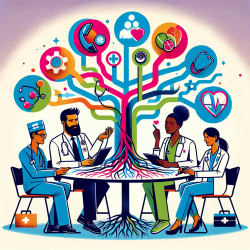
Interprofessional education is more than just a buzzword; it's a transformative approach that brings together diverse expertise to address complex mental health issues. By fostering collaboration among educators, healthcare providers, and families, IPE aims to improve outcomes for individuals with mental health needs.
Benefits of Interprofessional Education
- Enhanced Understanding: IPE allows professionals to understand each other's roles better, leading to more cohesive care strategies.
- Improved Patient Outcomes: Collaborative approaches can lead to better mental health outcomes for students by addressing their needs holistically.
- Reduced Stigma: By working together, professionals can reduce the stigma associated with mental health issues in educational settings.
The Role of Educators in Collaborative Mental Health Care
Educators play a crucial role in the implementation of collaborative mental health care. They are often the first point of contact for students experiencing mental health challenges. By collaborating with healthcare providers, educators can ensure that students receive the support they need in a timely manner.
Implementing Interprofessional Education in Schools
The implementation of IPE in schools requires careful planning and coordination. Here are some key steps for educators looking to integrate this approach:
- Identify Stakeholders: Engage with all relevant stakeholders, including teachers, school counselors, therapists, and healthcare providers.
- Develop Training Programs: Create training sessions that focus on the principles of interprofessional collaboration and communication.
- Create Supportive Environments: Foster an environment that encourages open dialogue and mutual respect among professionals.
Case Studies: Success Stories from the Field
The success of interprofessional education can be seen through various case studies where collaborative efforts have significantly improved mental health outcomes. For instance, schools that have implemented IPE have reported increased student engagement and reduced absenteeism due to mental health issues.
A Path Forward: Embracing Change
The journey towards effective collaborative mental health care is ongoing. As we continue to embrace change and adapt to new challenges, it's essential to keep learning from each other and sharing best practices. The power of interprofessional education lies in its ability to bring together diverse perspectives to create a supportive network for students.
For more information on how to implement interprofessional education in your school or institution, please follow this link.
Together, we can build a brighter future for our students by empowering their minds and supporting their well-being through collaborative efforts.