In today's rapidly changing educational landscape, the integration of social-emotional learning (SEL) into the science curriculum has become increasingly vital. As educators, we face the challenge of not only imparting academic knowledge but also nurturing the emotional and social competencies that students need to thrive in life. This blog explores the profound impact of SEL strategies on K-12 science education, drawing insights from a comprehensive meta-synthesis of contemporary research.
The Role of SEL in Science Classrooms
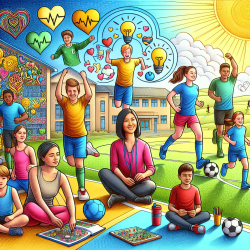
Social-emotional learning focuses on developing crucial skills such as self-awareness, self-regulation, and interpersonal abilities. These competencies are essential for students' academic engagement and overall well-being. By fostering a supportive learning atmosphere, SEL encourages growth and academic success in science education.
A recent study by Saroya and Buck (2025) synthesized findings from 33 studies conducted between 2013 and 2023. The research highlights how SEL integration enhances students' self-efficacy, emotional well-being, metacognitive skills, learning engagement, and classroom environment. These findings underscore the importance of emotions in learning and how they interact with scientific concepts.
Developing Self-Efficacy and Positive Emotions
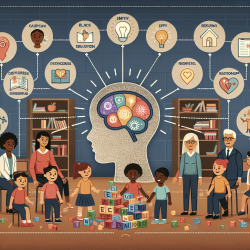
One of the key benefits of integrating SEL into science education is the development of students' self-efficacy and positive emotions. Positive emotions such as pride, interest, empathy, and achievement enhance students' learning experiences. Teachers play a pivotal role by praising students' efforts and fostering an environment where students feel valued and supported.
The study by Bellocchi and Ritchie (2015) found that when students experience positive emotions during science lessons, their self-efficacy increases significantly. This newfound confidence leads to greater enjoyment and a deeper connection with scientific concepts.
Overcoming Negative Emotions
Negative emotions such as anxiety, fear, frustration, and boredom can hinder students' engagement and learning outcomes in science education. Addressing these emotional barriers is crucial for fostering a positive learning environment.
The meta-synthesis revealed that building a supportive classroom environment where students feel comfortable asking questions and making mistakes without fear of judgment significantly reduces negative emotions. Engaging students through inquiry-based approaches helps them overcome feelings of uncertainty and confusion.
Enhancing Metacognition and Awareness
Metacognition involves thinking about one's thinking processes. Integrating SEL strategies into science education enhances students' metacognitive skills by encouraging mindfulness and emotional regulation. By understanding how their emotions influence their learning processes, students can better manage academic stress.
A study by Vestad and Tharaldsen (2022) found that practicing mindfulness helps students cope with academic challenges. Students reported that techniques such as deep breathing exercises improved their focus and reduced stress before presentations or exams.
Creating a Conducive Learning Environment
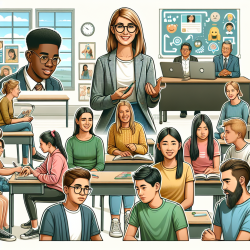
The emotional climate within a science classroom significantly influences student engagement. A friendly and inclusive atmosphere fosters open discussions and dynamic exchanges of ideas. Smaller class sizes promote better interaction between teachers and students.
The family environment also plays a crucial role in shaping students' emotions and behaviors. Collaboration between schools and families ensures a nurturing learning environment that supports students' emotional well-being.
Fostering Engagement for Better Learning
Engaging students in hands-on activities, outdoor experiences, and real-world applications fosters curiosity, creativity, and a growth mindset. Success in challenging tasks boosts confidence while connections to real-world applications deepen interest in science.
Diverse teaching methods contribute to creating dynamic science learning experiences. Authentic materials combined with mindfulness practices enhance interest while promoting positive emotions among learners.
The Path Forward
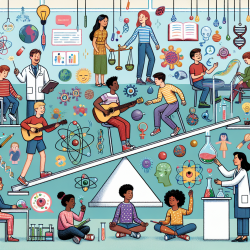
The findings from this meta-synthesis highlight the transformative power of integrating SEL approaches into K-12 science education. By fostering positive emotional engagement through supportive environments that encourage metacognitive skills development alongside active participation in hands-on activities linked to real-world challenges; educators can improve overall student outcomes across various domains including academic performance as well as social-emotional growth.
Nurturing students’ emotional well-being alongside cognitive development will equip them with essential skills necessary for success both within academia but also beyond it—creating lifelong learners ready to tackle future challenges head-on!
For more information please follow this link.