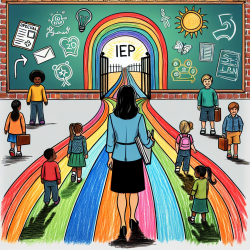

The Individualized Education Program (IEP) meeting is a cornerstone in crafting a successful educational journey for students with disabilities. For parents in Virginia, understanding this process is crucial in ensuring that their child's educational needs are met effectively. This blog will guide you through the essentials of preparing for and participating in an IEP meeting, empowering you to be an equal partner in your child's education.
The Importance of the IEP Meeting
An IEP meeting is a vital gathering where parents, educators, and school administrators come together to discuss and decide on a student's education plan for the school year. This meeting determines how and where services will be provided, ensuring that your child receives the support they need. As you learn more about available services, your rights as a parent, and how to develop an effective plan, you'll gain confidence and feel more equipped to advocate for your child's needs.
Scheduling and Participation
The school must schedule the IEP meeting within 30 calendar days after your child is determined eligible for special education services. If an additional meeting is requested by you or the school, it must also be scheduled promptly. The school is responsible for providing advance notice and working with you to find a mutually agreeable time and location. If language is a barrier, schools must provide a qualified translator or interpreter.
Preparing for the IEP Meeting
- Gather Documentation: Ensure you have all necessary paperwork such as previous IEPs, assessments, and notes related to your child's educational needs. Organizing these records by school year can be immensely helpful.
- Know Your Team: Identify who will attend the meeting and inform the school if you'll be bringing anyone for support, such as a family member or therapist.
- Understand Your Child's Needs: Reflect on your child's strengths and areas of need so you can articulate these during the meeting. You are your child's best advocate.
The Role of Goals and Objectives
The goals set during an IEP meeting should be clearly written and measurable. Consider whether each proposed goal can be realistically achieved within the suggested timeframe. It's important to ask questions if any goal seems vague or unachievable.
- Draftees: Request copies of reports and draft goals at least three days before the meeting to better prepare.
- Create an Agenda: Ask for a meeting agenda in advance so you know what topics will be covered.
Your Rights During the IEP Process
You have the right to request another IEP meeting if you're concerned about your child's progress or if you feel that changes need to be made. Remember that you do not have to sign the IEP immediately if you're unsure about agreeing to it; you can take it home for further consideration. If you choose not to sign, another meeting will be scheduled to address any concerns.
Your involvement doesn't stop at attending meetings. Consider what support teachers might need to implement the IEP successfully and how you can contribute to this process. Collaboration with educators ensures that your child receives comprehensive support.
The Mission of PEATC
The Parent Educational Advocacy Training Center (PEATC) is dedicated to building positive futures for Virginia's children by collaborating with families, schools, and communities. Their mission is to enhance opportunities for excellence in education and success in both school and community life.
If you're seeking further guidance on preparing for an IEP meeting or need additional resources, PEATC offers various tools like fact sheets and templates. For more information on preparing for your child's IEP meeting, please follow this link.