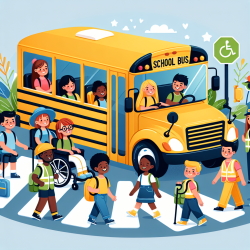
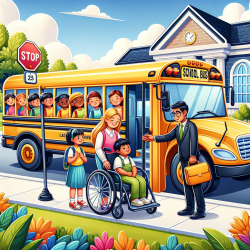
Transporting children with special health care needs on school buses is a significant responsibility that requires careful planning and execution. With approximately 13.1% of students having some form of disability, ensuring their safe transportation is a priority for school systems across the United States. According to data from the US Department of Transportation and the US Department of Education, an estimated 300,000 students travel seated in wheelchairs on school buses daily. This blog post highlights the essential aspects of safely transporting these children, focusing on the guidelines, legal frameworks, and collaborative efforts necessary to provide a secure journey for every child.
The Importance of Individualized Transportation Plans
The Individuals with Disabilities Education Act (IDEA) ensures that children with qualifying disabilities receive a "free and appropriate public education," which includes school-provided transportation as a "related service." For children aged 0 to 3 years, early intervention needs are addressed in an Individualized Family Service Plan (IFSP), while older children receive guidance through an Individualized Education Program (IEP). These documents are crucial in determining whether a child should receive transportation services and what specific support they require during transit.
Collaborative Planning
The development of an Individualized Transportation Plan involves collaboration among parents, school transportation directors, school nurses, and other professionals. This team approach ensures that each child's unique needs are met effectively. When special needs impact transportation requirements, representatives from school transportation services must be included in planning meetings to develop comprehensive strategies.
Legal Frameworks and Safety Standards
Several federal laws protect the educational rights of children with special needs, including their transportation. The Americans with Disabilities Act (ADA) mandates that educational agencies address the needs of students with disabilities. Additionally, the Head Start Act requires that 10% of program enrollment be available to children with special needs and mandates proper restraint during transportation.
Occupant Protection
- Federal Motor Vehicle Safety Standards (FMVSS) set guidelines for occupant protection in school buses. These standards include requirements for wheelchair tie-downs and occupant restraint systems.
- The National School Transportation Specifications and Procedures (NSTSP) offer voluntary guidelines to establish best practices for safely transporting students with special needs.
Special Considerations for Safe Transportation
Children with various conditions require specific considerations for safe transportation. For instance:
- Children with respiratory issues may need equipment like tracheostomies securely mounted on the bus.
- Pediatricians should collaborate with educators and emergency management teams to develop effective plans for disaster situations.
- Behavioral interventions may be necessary for children exhibiting impulsive or aggressive behaviors during transit.
Training and Resources
The safe transportation of children with special needs relies heavily on the training and resources provided to transportation staff. Regular training programs should be conducted to keep staff informed about current best practices and safety procedures. Additionally, resources such as emergency evacuation plans and infection control programs should be established to ensure preparedness in various scenarios.
Conclusion
The safe transportation of children with special health care needs is a complex but crucial aspect of providing them access to education and health services. By adhering to established guidelines and fostering collaboration among all stakeholders involved—parents, educators, healthcare professionals, and transportation staff—we can ensure that every child embarks on a safe journey each day.
For more information, please follow this link.