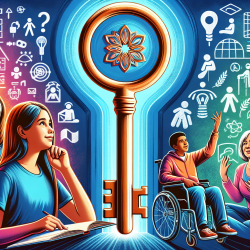

In the realm of education, particularly within the context of special needs and accommodations, the concept of self-advocacy emerges as a cornerstone for student empowerment. Module 1 Part 9: Exploring Self-Advocacy aligns with middle school classroom materials and aims to delve deeper into the multifaceted nature of self-advocacy. The skills garnered through this exploration are invaluable, extending beyond the classroom and into lifelong applications.
Understanding the Core of Self-Advocacy
At its essence, self-advocacy involves a profound understanding of oneself as a learner. It transcends merely knowing one's strengths and weaknesses; it is about articulating one's needs and advocating for appropriate accommodations in educational settings. This module endeavors to equip students with the ability to express their learning styles and necessary accommodations effectively.
Components of Self-Advocacy
- Self-Knowledge: Recognizing personal learning strengths and areas for growth.
- Communication: Articulating needs clearly and respectfully.
- Problem-Solving: Identifying challenges and devising strategies to overcome them.
- Decision-Making: Making informed choices about one's educational journey.
- Responsibility: Taking ownership of one's learning and outcomes.
The Importance of Practicing Self-Advocacy
While understanding self-advocacy is crucial, practicing it is equally important. Students are encouraged to engage in activities that bolster their ability to speak up for themselves. These activities might include rehearsing conversations in front of a mirror or role-playing scenarios with family members. Such exercises aim to build confidence and reduce frustration when advocating for oneself.
Avoiding Missteps in Self-Advocacy
- Avoiding Demands: Effective advocacy does not involve making demands or being confrontational.
- Avoiding Bullying: Advocacy should never involve coercion or taking advantage of others.
- Acknowledging Support: Understanding the roles of teachers and peers in supporting one's educational journey is crucial.
Navigating Educational Challenges Through Scenarios
The module includes scenarios that help students apply self-advocacy skills in real-world contexts. For instance, consider a student who loves history but faces challenges due to dyslexia. By identifying auditory learning strengths and seeking accommodations like text-to-speech software, the student can optimize their learning experience.
Another scenario involves a student struggling with writing mechanics due to a disability. By collaborating with teachers on a writing plan and seeking leniency on spelling errors, the student can focus on content rather than mechanics.
The Role of Parents in Supporting Self-Advocacy
Parents play a vital role in nurturing self-advocacy skills in their children. Encouraging open communication about learning styles and challenges helps build a supportive environment where students feel empowered to express their needs.
Conclusion: The Lifelong Benefits of Self-Advocacy
The journey towards becoming an effective self-advocate is not just about succeeding academically; it's about building lifelong skills that foster independence and resilience. By embracing self-advocacy, students pave the way for a future where they are active participants in their education and beyond.
For more information, please follow this link.