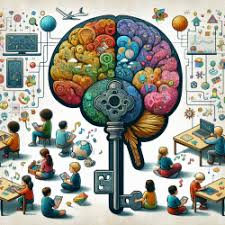
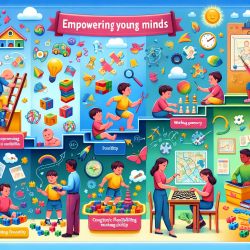
In the bustling world of child development, executive function and self-regulation skills stand as critical pillars supporting learning and growth. Much like an air traffic control system at a busy airport, these skills enable us to manage multiple cognitive tasks simultaneously. They allow us to retain and manipulate information, focus our attention, filter out distractions, and switch mental gears seamlessly.
There are three core dimensions of executive function skills:
- Working Memory: The ability to hold information in mind and use it.
- Inhibitory Control: The ability to master thoughts and impulses to resist temptations, distractions, and habits.
- Cognitive Flexibility: The capacity to switch gears and adjust to changing demands or perspectives.
Though we are not born with these skills, we have the potential to develop them from infancy through early adulthood. This developmental journey is shaped by our experiences and interactions. Let's explore how these skills evolve across different stages of childhood and adolescence and learn about activities that support their growth.
Infancy (6-18 Months)
During infancy, interactions with adults play a crucial role in helping babies focus attention, build working memory, and manage reactions to stimulating experiences. Simple games like Peekaboo exercise working memory as babies remember who is hiding. Rhymes like "Pat-a-Cake" help infants anticipate surprises while managing high levels of stimulation.
Hiding games encourage infants to focus attention and use working memory as they track objects or people. Imitation games allow infants to practice attention and self-control by copying adult actions.
Toddlers (18-36 Months)
Toddlers rapidly expand their language skills, which are essential for executive function development. Active games that require toddlers to focus on a goal or follow simple rules enhance working memory and inhibition skills. Simple imitation games like "Follow the Leader" challenge toddlers' working memory as they mimic actions.
Conversations about everyday events or feelings help toddlers develop language that supports emotional regulation. Matching games introduce cognitive flexibility as children sort objects by different attributes.
Preschoolers (3-5 Years)
Preschoolers engage in imaginative play that involves creating rules for roles and actions. This play fosters cognitive flexibility as children adapt their behavior to fit different scenarios. Storytelling encourages children to organize thoughts and develop plots, enhancing working memory.
Songs with repetitive patterns challenge working memory while promoting inhibitory control. Movement games like "Freeze Dance" require children to synchronize actions with music, exercising attention control.
School-Age Children (5-12 Years)
This age group enjoys structured games with rules that challenge executive function skills. Card games like Concentration improve working memory by requiring players to remember card locations. Strategy games like chess demand planning ahead and adjusting strategies based on opponents' moves.
Physical activities such as organized sports improve attention skills by requiring coordination and quick decision-making. Music classes challenge children’s working memory as they learn complex rhythms and parts.
Adolescents
During adolescence, executive function skills face new challenges as teenagers take on more responsibilities. Goal setting becomes essential; adolescents learn to identify meaningful goals, plan steps, monitor progress, and adjust behaviors accordingly.
Activities such as sports, music, theater, yoga, and strategy games provide opportunities for adolescents to practice self-regulation skills in engaging ways. Encouraging self-reflection through journaling helps teens explore thoughts and behaviors while developing self-awareness.
Conclusion
Nurturing executive function skills from infancy through adolescence is a continuous process that benefits from supportive interactions with adults. Engaging children in meaningful activities tailored to their developmental stage can significantly enhance their learning experience.
If you're interested in exploring more resources on executive function development in children, please follow this link.