Introduction
In the quest to enhance children's psychological well-being, schools and practitioners are increasingly exploring prosocial behavior interventions. Recent research titled Are Real-World Prosociality Programs Associated with Greater Psychological Well-Being in Primary School-Aged Children? provides compelling evidence that prosocial programs can significantly impact children's well-being. This blog explores the findings and implications of this research, offering insights for practitioners seeking to improve outcomes for children through data-driven approaches.
Understanding Prosociality and Well-Being
Prosocial behavior, defined as actions intended to benefit others, has been linked to greater psychological well-being in various studies. The research by Proulx et al. (2023) examines whether real-world prosocial programs can foster well-being among primary school-aged children, beyond the confines of laboratory settings.
Key Findings from the Research
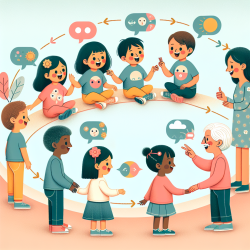
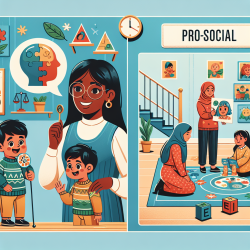
- Study 1: The Intergenerational Classroom (iGen) - This program involved students interacting with senior residents in a long-term care home. The study found that meaningful interactions with Elders were strongly associated with greater psychological well-being and prosocial intentions among children.
- Study 2: Cradles to Crayons (C2C) - In this program, children packaged essential items for disadvantaged peers. The study observed an increase in children's happiness post-intervention, regardless of whether the recipient was similar or dissimilar to them.
Implications for Practitioners
These findings highlight the potential of prosocial programs to enhance children's well-being. Practitioners can leverage this research to design interventions that integrate prosocial activities into educational settings. Here are some actionable steps:
- Incorporate Prosocial Activities: Design school programs that offer hands-on opportunities for children to engage in prosocial behaviors, such as volunteering or community service projects.
- Focus on Meaningful Interactions: Encourage activities that foster meaningful interactions, as these are associated with greater psychological benefits.
- Evaluate Program Impact: Use data-driven approaches to assess the impact of prosocial programs on children's well-being, ensuring continuous improvement and adaptation of interventions.
Encouraging Further Research
While the research provides valuable insights, further studies are needed to explore the long-term effects of prosocial programs and their scalability. Practitioners are encouraged to collaborate with researchers to conduct field studies, contributing to a broader understanding of how prosociality can be effectively integrated into educational practices.
Conclusion
Prosocial programs offer a promising avenue for enhancing children's psychological well-being. By integrating these findings into practice, educators and practitioners can create supportive environments that foster positive development in children. To delve deeper into the research, please follow this link: Are Real-World Prosociality Programs Associated with Greater Psychological Well-Being in Primary School-Aged Children?