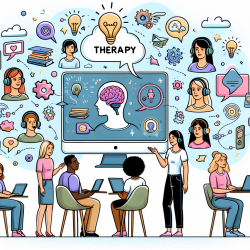

In recent years, the integration of online therapy services into educational settings has become increasingly significant. This approach not only addresses traditional learning challenges but also provides vital support for mental health and addiction issues among students. The concept of enhancing concurrent capability is central to this initiative, offering a toolkit for managers and staff to effectively implement comprehensive interventions.
Understanding Comprehensive Interventions
Comprehensive interventions refer to a strategic mix of therapies, treatments, and support systems designed to aid individuals with concurrent disorders—those who experience both mental health issues and substance use disorders or problem gambling. The goal is to create an integrated treatment plan that addresses all aspects of an individual's needs.
The Role of Online Therapy in Schools
Online therapy offers numerous advantages in the educational context. It provides accessible mental health support, ensuring that students can receive help without the stigma often associated with visiting a therapist's office. This mode of therapy can be particularly effective for addressing the needs of students with co-occurring disorders.
Implementing Comprehensive Interventions
The implementation of comprehensive interventions requires a thorough understanding of the various approaches available and how they can be tailored to meet individual needs. Key components include:
- Clinical Decision Making: Involves assessing the student's specific needs and determining the most appropriate interventions.
- Engaging Individuals and Families: Encourages collaboration between therapists, students, and families to select interventions that align with personal goals and motivations.
- Intervention Factors and Formats: Considers factors such as duration, setting, and whether interventions are individual or group-based.
Approaches to Therapy
Several therapeutic approaches can be integrated into online therapy services for schools:
- Cognitive Behavioral Therapy (CBT): Focuses on changing negative thought patterns to improve emotional regulation.
- Motivational Interviewing (MI): Aims to enhance intrinsic motivation by exploring and resolving ambivalence towards change.
- Mindfulness Exercises: Helps students develop awareness and focus through meditation practices.
The Impact of Comprehensive Interventions
The successful implementation of comprehensive interventions in schools can lead to improved student outcomes. By addressing both mental health and substance use issues concurrently, students are better equipped to achieve their academic goals while maintaining overall well-being.
Conclusion
The integration of online therapy services in educational settings represents a significant step forward in supporting students with concurrent disorders. By utilizing comprehensive interventions, schools can create a supportive environment that promotes recovery and academic success. For more information on enhancing concurrent capability through comprehensive interventions, please follow this link.