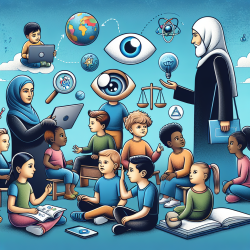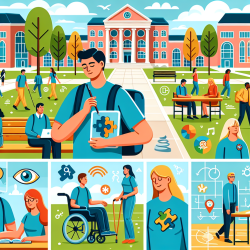
Neurodiversity is a concept that embraces the diversity of human brains and the wide range of neurocognitive functioning among individuals. This perspective acknowledges that variations in brain function are a natural and valuable part of human diversity. Conditions commonly associated with neurodiversity include attention deficit hyperactivity disorder (ADHD), obsessive-compulsive disorder (OCD), autism spectrum disorder, and dyslexia, among others (Toke, 2023).
The Impact of Neurodiversity on Learning
Statistics reveal a significant gap in educational attainment between neurodivergent and neurotypical students. For instance, only 60% of neurodivergent secondary students continue to post-secondary education, compared to 77% of their neurotypical peers (Government of Canada, 2019). At the University of Waterloo, approximately 5% of students are identified as neurodivergent (Office of Equity, Diversity, Inclusion and Anti-Racism at the University of Waterloo, 2021), while the University of Calgary reports a figure of 17% (University of Calgary, 2024). These statistics highlight the importance of creating supportive learning environments for neurodivergent individuals.
Examples of Neurodiversity in Action
- Andrea: With ADHD, Andrea finds it challenging to focus on one task but excels in various hobbies due to her ability to intensely concentrate on tasks at hand.
- Justin: Living with OCD, Justin's meticulous nature aids his career in auditing despite time-consuming compulsive behaviors.
- Brooke: Autism presents social challenges for Brooke, yet her structured routine and focus make her a talented pianist.
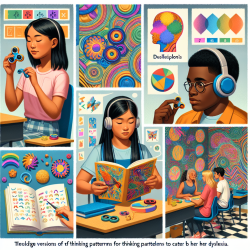
- Anton: Dyslexia makes reading and writing difficult for Anton, but his strong memory and problem-solving skills contribute to his success as an engineer.
Strategies for a More Inclusive Classroom
To support neurodivergent students, educators can implement several strategies:
- Advanced Scheduling: Providing course materials and schedules in advance allows students to prepare and focus on content during lectures.
- Accessibility Statements: Early communication about accessibility encourages students to share their needs and helps tailor teaching methods accordingly.
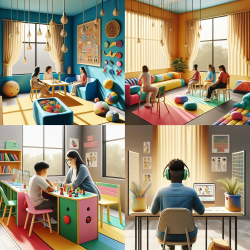
- Sensory-Friendly Environments: Modifying physical spaces to include flexible seating, quiet areas, and sensory control options can enhance comfort and focus.
- Flexible Learning Projects: Offering alternatives for group work and assessments accommodates diverse learning styles and needs.
The Role of Universal Design for Learning (UDL)
Universal Design for Learning aims to remove barriers by adapting educational practices to meet diverse needs. Key practices include providing quiet collaboration spaces, closed captioning for videos, and flexible assessment options. By asking students about their unique needs, educators can tailor assessments to ensure all students can demonstrate their understanding effectively.
A Trauma-Informed Approach
Creating a supportive learning environment involves recognizing the impact of trauma on student performance. Educators should be open to students expressing their needs and provide empathy and support when trauma-related experiences are shared. Accessibility through office hours and clear communication in course syllabi can foster a safe and supportive atmosphere.
Conclusion
The journey toward a neurodivergent-friendly classroom involves embracing diversity and implementing inclusive strategies. By understanding and accommodating the unique needs of neurodivergent students, educators can create environments where all students thrive. For more information on building a neurodivergent-friendly classroom, please follow this link.