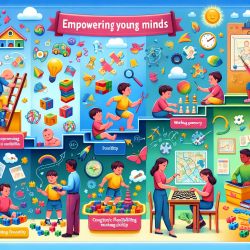

Executive Functions (EFs) are crucial mental processes that enable individuals to plan, focus attention, remember instructions, and juggle multiple tasks. These high-level cognitive skills include working memory, cognitive flexibility, and inhibition. In educational settings, EFs play a significant role in a student's ability to succeed academically and socially.
The Importance of Executive Functions
The development of EFs continues from childhood into adulthood, making it essential to support school-age children. EFs are predictive of school readiness, academic success, job performance, and even mental and physical health. Conversely, challenges with EFs can lead to difficulties in these areas.
The Role of Teachers and SLPs
The demands on EFs increase as children enter school due to a more structured curriculum and increased distractions. Teachers and speech-language pathologists (SLPs) can work together to support students with EF challenges. SLPs can provide strategies that teachers implement in the classroom, creating a supportive environment for all students.
Specific Populations
Certain populations are more at risk for EF challenges, including those with Developmental Language Disorder (DLD), ADHD, Autism Spectrum Disorder (ASD), Down Syndrome (DS), Traumatic Brain Injury (TBI), and Fetal Alcohol Syndrome Disorder (FASD). Recognizing these risks allows educators to provide targeted support.
Factors Impacting Executive Functions
- Hunger: Can lead to decreased attention and memory.
- Lack of Physical Activity: Impacts overall cognitive function.
- Stress: Affects concentration and problem-solving abilities.
- Fatigue: Reduces cognitive performance and motivation.
The Interaction Between EFs and Language
The relationship between EFs and language is reciprocal; each influences the other. Language difficulties can strain EF resources, impacting attention and motivation. Similarly, poor EF skills can hinder language use and comprehension.
Strategies to Support Executive Functions
A variety of strategies can be implemented in the classroom to bolster EF development:
- Working Memory:
- Use visual aids alongside verbal instructions.
- Simplify tasks into smaller steps.
- Create stories or links between concepts to aid memory retention.
- Cognitive Flexibility:
- Encourage perspective-taking and creativity.
- Switch activities periodically to maintain engagement.
- Inhibition:
- Create quiet environments with minimal distractions.
- Use fidget tools for focused movement control.
Environmental Adjustments for EF Support
- Reduce Distractions: Minimize background noise and clutter in the classroom.
- Daily Schedules: Use visual schedules to outline daily plans and routines.
- Colour Coding: Consistently colour-code subjects for easier organization.
- Student Agendas: Encourage students to track important dates and deadlines collaboratively.
If you wish to explore more about supporting executive functions in the classroom, follow this link.