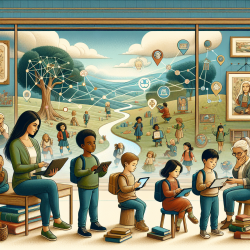

The relationship between educators and families is a cornerstone of student success. In the realm of special education, where individualized attention and tailored approaches are essential, fostering a strong partnership between teachers and parents can significantly enhance a child's learning experience. This blog explores the importance of effective communication tools that empower families to actively participate in their children's educational journey.
The Importance of Teacher-Parent Communication
Effective communication between teachers and parents is crucial for fostering an environment conducive to student success. Research has consistently shown that when educators and families work together, students exhibit improved social skills, higher academic achievement, and better behavior in the classroom.
- Increased Engagement: Regular positive interactions with parents can lead to increased student engagement. For instance, by highlighting specific positive behaviors observed in the classroom and sharing these with parents, teachers can encourage students to stay on task and improve their classroom behavior.
- Social Skills Development: A strong teacher-parent partnership can also enhance students' social competencies. When parents are involved, children are more likely to develop problem-solving skills, follow directions, and initiate conversations with peers.
- Academic Success: Consistent communication about classroom culture and academic expectations positively influences parental attitudes towards education. When parents feel assured about their children's school experience, students are more likely to view school positively, leading to greater academic success.
Modes of Communication
In today's fast-paced world, utilizing various modes of communication is essential for maintaining strong connections between home and school. These methods can be categorized into one-way and two-way communication.
One-Way Communication
- Newsletters: Consistent newsletters provide structured updates about classroom activities, upcoming events, and key announcements. Whether sent via email or as physical copies, maintaining a regular schedule helps parents stay informed.
- Content Sharing Platforms: Apps like Seesaw enable teachers to share student work, photos, videos, and messages with parents in real-time. This platform facilitates transparency and keeps families engaged with their children's learning process.
Two-Way Communication
- Phone Calls: Personal phone calls allow for meaningful dialogue between teachers and parents. Scheduling regular calls to discuss student progress fosters trust and collaboration.
- Text Messaging: Texting offers a convenient way to communicate regularly. Platforms like TalkingPoints provide translation services, enabling clear communication with non-English-speaking families.
- Face-to-Face Meetings: Inviting parents for in-person meetings or conferences provides an opportunity for deeper engagement. These interactions help build strong partnerships focused on student success.
- Home Visits: Visiting students' homes can bridge gaps between school and home environments. This approach promotes empathy and understanding between educators and families.
Overcoming Barriers to Effective Communication
Acknowledging the barriers that hinder effective teacher-parent communication is crucial for developing strategies to overcome them. These barriers can include individual parent factors such as language differences or previous negative experiences with schools. Additionally, societal factors like socio-economic status or cultural differences may impact parental involvement.
To address these challenges, educators must adopt inclusive practices that recognize diverse family dynamics. Providing resources in multiple languages and offering flexible meeting times can help create an inclusive environment that encourages parental participation.
Conclusion
The journey towards effective teacher-parent communication requires dedication and strategic planning. By leveraging various modes of communication and addressing potential barriers, educators can empower families to take an active role in their children's education. This partnership not only enhances academic outcomes but also fosters a supportive community around each student.
For more information on building effective teacher-parent communication strategies, please follow this link.