
In today's educational landscape, effective communication between schools and parents is more crucial than ever. The challenges posed by global events, such as the recent pandemic, have highlighted the need for robust communication strategies that support student success. This article explores key insights from Susan Graham-Clay's work on enhancing school-home communication, with a focus on overcoming barriers and leveraging technology.
The Importance of Communication
Communication serves as the backbone of successful parent involvement in education. It fosters a collaborative environment where students can thrive. According to Graham-Clay, effective communication is not just about exchanging information; it's about building trust and understanding between teachers and parents.
One-Way Communication Methods
- Newsletters: Traditionally paper-based, newsletters are now often digital, providing parents with updates on school activities and policies.
- Email: A quick and personalized way for teachers to communicate with parents about academic performance and other concerns.
- Websites: School websites serve as accessible hubs for parents to find information about their child's education.
- Texts and Apps: These tools offer immediate communication opportunities, allowing teachers to reach parents quickly and effectively.
Two-Way Communication Strategies
- Phone Calls: Despite the rise of digital communication, phone calls remain a vital tool for discussing sensitive issues.
- Parent-Teacher Conferences: These meetings provide an opportunity for in-depth discussions about a student's progress.
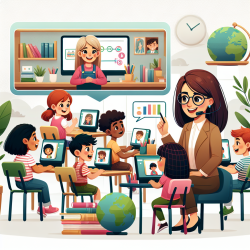
- Virtual Meetings: The pandemic has accelerated the adoption of virtual meetings, making it easier for parents to engage with teachers.
- Home Visits: Although less common, home visits can help build stronger relationships with families facing unique challenges.
Overcoming Barriers
Susan Graham-Clay identifies several barriers to effective school-home communication, including language differences, racial stereotypes, and limited access to technology. Addressing these challenges requires a multifaceted approach that includes:
- Cultural Sensitivity: Understanding and respecting cultural differences can help bridge communication gaps.
- Language Support: Providing translation services ensures that non-English-speaking parents receive important information in their preferred language.
- Teacher Training: Educators need training in both traditional and digital communication methods to effectively engage with all families.
- Technology Access: Schools should consider providing resources such as internet access or devices to families lacking them.
The Role of Technology
The integration of technology into school-home communication has transformed how educators connect with families. From apps like Remind to video conferencing platforms like Zoom, technology offers new ways to engage parents. However, it's essential to address privacy concerns and ensure equitable access for all families.
Conclusion
The future of school-home communication lies in adapting to changing technologies while maintaining the personal touch that builds trust. By implementing effective strategies and overcoming barriers, educators can create strong partnerships with families that support student success. For more information on these strategies, please follow this link.