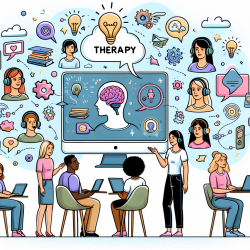

In recent years, the demand for specialized educational support has increased significantly. Schools are continually seeking innovative solutions to meet the diverse needs of students, especially those requiring special education services. One such solution is online therapy, which offers a flexible and efficient way to deliver critical support services such as speech-language pathology. This blog explores how online therapy can be a game-changer for schools facing staffing shortages and the benefits it brings to students and educators alike.
Understanding the Need for Online Therapy
The Department of Otolaryngology and Communication Enhancement at Boston Children's Hospital provides insight into the challenges schools face when addressing speech and language needs. With detailed intake questionnaires and evaluations, they emphasize the importance of comprehensive assessments to tailor interventions effectively. However, many school districts struggle with therapist shortages, making it difficult to provide timely evaluations and ongoing therapy.
This is where online therapy comes into play. By leveraging technology, schools can connect students with qualified therapists regardless of geographical limitations. This approach not only addresses staffing shortages but also ensures that students receive consistent and high-quality support.
Benefits of Online Therapy
- Accessibility: Online therapy breaks down geographical barriers, allowing students in remote areas to access specialized services without the need for travel.
- Flexibility: Virtual sessions offer flexible scheduling options that can accommodate both student and therapist availability.
- Cost-Effectiveness: Schools can save on costs associated with in-person sessions, such as transportation and facility use.
- Diverse Expertise: Online platforms enable schools to connect with a wider pool of therapists who have expertise in various areas of special education.
- Consistency: Students can receive uninterrupted services even during unforeseen circumstances like school closures or therapist unavailability.
Implementing Online Therapy in Schools
The implementation of online therapy requires careful planning and collaboration between schools, parents, and therapy providers. Here are some key steps to consider:
- Assessment of Needs: Conduct an assessment to identify the specific needs of students who would benefit from online therapy services.
- Selecting Providers: Partner with reputable online therapy providers who have a proven track record of delivering quality services.
- Technology Infrastructure: Ensure that the necessary technology infrastructure is in place to support virtual sessions, including reliable internet access and suitable devices for students.
- Training and Support: Provide training for staff and parents on how to use online platforms effectively. Offer ongoing technical support to address any issues that may arise.
- Monitoring Progress: Regularly monitor student progress through detailed reports and adjust interventions as needed to ensure optimal outcomes.
The Future of Online Therapy in Education
The integration of online therapy into educational settings is poised to grow as more schools recognize its potential benefits. As technology continues to evolve, so will the capabilities of virtual therapy platforms, offering even more innovative ways to support students' educational journeys.
The collaboration between educational institutions and healthcare providers like Boston Children's Hospital underscores the importance of a comprehensive approach to student support. By embracing online therapy, schools can enhance their ability to meet the diverse needs of their student populations effectively.
If you are interested in learning more about how online therapy can benefit your school district or would like additional resources on implementing these services, please follow this link.