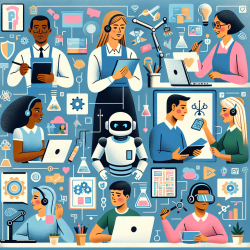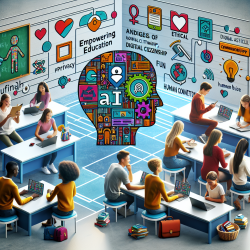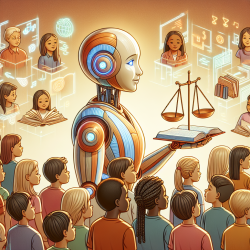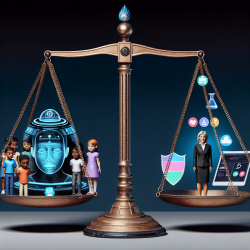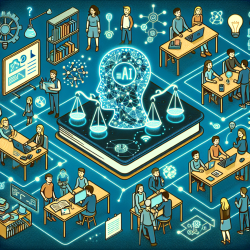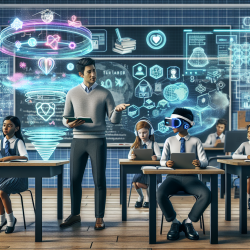
Artificial Intelligence (AI) is making waves across various sectors, and education is no exception. With the potential to revolutionize learning experiences, streamline administrative tasks, and foster inclusivity, AI tools are gradually becoming integral to K-12 schools. However, the journey to effective implementation requires careful consideration of several factors to ensure that these tools enhance rather than hinder the educational process.
The Framework for AI Integration
The Ministry of Education and Child Care has developed a comprehensive framework to guide the responsible integration of AI tools in British Columbia's K-12 schools. This framework highlights seven key areas:
- Ethical Uses
- Needs and Impacts
- Accessibility and Usability
- Integration and Compatibility
- Data Security and Privacy
- Teaching and Learning
- Inclusive Learning
Ethical Considerations
The ethical use of AI in education is paramount. Educators must establish transparent processes for evaluating AI tools, ensuring they align with educational ethics and promote pedagogical practices prioritizing students' best interests. Engaging students in discussions about AI's broader societal implications fosters critical thinking and ethical awareness.
Responsible Integration
Integrating AI tools responsibly involves aligning them with local policies and establishing mechanisms for ongoing feedback. This ensures that AI complements human interaction rather than replacing it. The human-centric approach remains crucial for fostering meaningful relationships in educational settings.
Data Security and Privacy
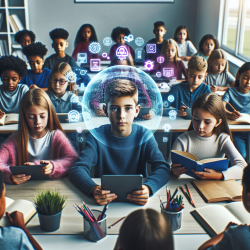
With AI tools handling sensitive information, robust data security protocols are essential. Schools must conduct Privacy Impact Assessments (PIAs) to protect personal information. Educating students on responsible tool usage also plays a vital role in safeguarding privacy.
Fostering Inclusivity through AI
AI tools can significantly contribute to inclusive learning environments by addressing individual barriers and supporting diverse needs. Prioritizing accessibility features, such as screen-readers or multilingual support, ensures that all students benefit equitably from technological advancements.
Teaching and Learning Enhancement
The potential of AI to enhance teaching and learning is vast. By aligning AI tools with curriculum standards and leveraging their interactive features, educators can create dynamic learning environments that cater to diverse learning styles. Feedback mechanisms within these tools further personalize the learning experience.
A Collaborative Approach
A successful integration of AI in education demands collaboration among school boards, district leaders, teachers, support staff, parents, and students. Open communication ensures a comprehensive understanding of the implications of adopting AI tools in educational settings.
The Path Forward
The journey toward integrating AI into K-12 education is complex but rewarding. By adhering to ethical guidelines, ensuring data privacy, fostering inclusivity, and maintaining human interaction at the core of education, we can harness the full potential of AI to enrich the learning experience.
For more information, please follow this link.