As parents and educators, we all want to ensure that children have the best possible start in life. One area of concern for many is whether a child needs speech therapy. While some speech issues might seem minor or something a child will outgrow, others could benefit from early intervention. Let's explore how you can determine when it's time to consider speech therapy for a child.
Common Speech Concerns
Speech impediments can range from noticeable issues like stuttering to more subtle concerns such as lisps or mispronunciations. It's common for children to experience temporary speech difficulties as they develop, but how do you know when professional help is needed?
- Lisping: Many children lisp during their early years, but if it persists beyond the typical developmental stage, an assessment might be necessary.
- Misperception of Sounds: Pronouncing "Rs" as "Ws" is another frequent issue. If this continues past the expected age range for sound development, it could warrant attention.
- Lack of Clarity: If others frequently have trouble understanding the child, or if the child gets frustrated by their inability to communicate effectively, these are signs that intervention might be beneficial.
The Role of Assessment
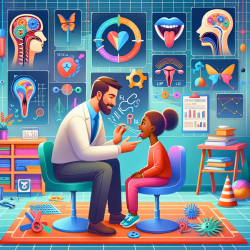
The first step in determining whether a child needs speech therapy is through an assessment by a qualified speech-language pathologist. This professional will evaluate the child's speech and language skills compared to typical developmental milestones. Based on their findings, they can recommend whether therapy would be beneficial or if the child should be monitored over time.
The Importance of Early Intervention
If a speech therapist recommends intervention, starting early can be very advantageous. Younger children often respond better to therapy because their habits are not yet fully formed and their muscles are still developing. Early intervention can also prevent future frustration and social challenges related to communication difficulties.
The Decision Process
Ultimately, deciding whether to pursue speech therapy involves several factors:
- Professional Recommendations: Trust the evaluation provided by speech therapists.
- Parental Observations: Parents know their children best and should consider their instincts alongside professional advice.
- Developmental Milestones: Compare the child's progress with established milestones for their age group.
- Educational Support: Schools often provide resources and support for children who need speech therapy.
The Benefits of Speech Therapy
Apart from improving communication skills, speech therapy can have additional benefits:
- Cognitive Development: Enhanced language skills can support other areas of learning and development.
- Social Interaction: Effective communication helps children interact confidently with peers and adults.
- Avoiding Stigma: Addressing issues early can prevent potential social stigma as children grow older.
Tapping into Resources
If you're unsure where to start, look into local resources such as early intervention programs or school district services. Many areas offer free or low-cost assessments through public schools or community programs. In some cases, these services can be integrated into an Individualized Education Plan (IEP) as children progress through school.
If you suspect a child may benefit from speech therapy or want more information about available resources, it's crucial to act sooner rather than later. For more information, please follow this link.