
Effective discipline strategies in schools are essential for creating a conducive learning environment where students can thrive academically and socially. As educators and school administrators, it is crucial to develop comprehensive approaches that address the behavioral challenges faced by students while promoting positive development. This guide explores key practices and interventions that can be implemented to manage student behavior effectively.
The Four Basic Practices
The foundation of a successful discipline strategy lies in four basic practices that schools should incorporate:
- Establishing a School-Wide Behavior Support System: A well-defined system includes clear school rules, intervention plans, positive reinforcement strategies, and social skills teaching. This system ensures consistency across the school and provides a framework for addressing behavioral issues.
- Developing Resiliency Skills: Resiliency enables students to overcome adversity and succeed despite challenges. Educators can support this by fostering supportive relationships, maintaining high expectations, and providing growth opportunities.
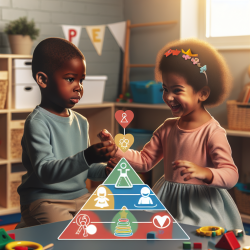
- Teaching Prosocial Skills: Prosocial skills such as empathy, conflict resolution, and anger management are crucial for social success. Programs like Second Step and Lions-Quest offer structured ways to teach these skills effectively.
- Administrative Procedures for Behavioral Concerns: Schools need clear policies for managing behavioral issues, including suspension protocols and restorative practices like family group conferencing.
Prevention Strategies
Prevention is key to reducing behavioral issues before they escalate. Strategies include:
- Developing Behavior Rules: Clearly defined expectations help students understand acceptable behaviors. Rules should be developed with input from the community and communicated widely.
- Positive Approaches Over Punitive Measures: Research shows that positive reinforcement is more effective than punitive actions in promoting good behavior.
- Social Skills Instruction: Teaching social skills proactively helps students integrate better with peers and reduces behavioral problems.
Intervention Techniques
When prevention is not enough, direct intervention strategies are necessary:
- Reinforcement Schedules: Token or reward systems can motivate students to change behaviors by providing tangible incentives for improvement.
- Quiet Time: Allowing students time away from the classroom environment can help them regain control over their emotions.
- Contracts and Self-Monitoring: Involving students in setting behavior goals and monitoring progress encourages accountability and self-regulation.
The Role of Communication
An effective discipline strategy relies on open communication between the school and home. Daily updates through phone calls or communication books keep parents informed and involved in addressing their child's behavior. Collaborative efforts between teachers and parents ensure consistency in expectations and support for the student.
The Importance of Postvention
Postvention activities help reintegrate students after major incidents. Strategies like debriefing sessions allow students to reflect on their actions and plan for better future outcomes. Building bridges with suspended students through mediation or mentoring can significantly improve their re-entry experience into the classroom setting.
Conclusion
The development of effective discipline strategies involves a combination of prevention, intervention, and postvention techniques tailored to meet the needs of each student. By fostering a supportive environment that emphasizes resiliency, prosocial skills, and open communication, schools can effectively manage student behavior while promoting personal growth. For more information on implementing these strategies, please follow this link.