
Introduction
In the quest to improve health outcomes, especially in regions heavily burdened by diseases like malaria, understanding the socio-cultural dynamics that influence health behaviors is crucial. A recent study titled “We have this, with my husband, we live in harmony”: exploring the gendered decision-making matrix for malaria prevention and treatment in Nampula Province, Mozambique, provides valuable insights into how gender roles and community dialogues can shape health interventions.
Understanding the Gendered Decision-Making Matrix
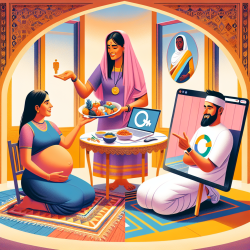
The study conducted in Nampula Province, Mozambique, reveals a complex gendered decision-making matrix that influences malaria prevention and treatment. This matrix distinguishes between inward-facing decisions, typically managed by women at the household level, and outward-facing decisions, which often require male or elder sanctioning at the community level.
- Inward-facing decisions: Women are primarily responsible for decisions like the use of bed nets, which are crucial for malaria prevention. They manage the hanging, washing, and maintenance of nets, reflecting their control over household-level prevention practices.
- Outward-facing decisions: Decisions such as attending antenatal care for intermittent preventive treatment during pregnancy often fall under the purview of men or elders, highlighting the need for male involvement in health-seeking behaviors.
The Role of Tchova Tchova Stop Malaria (TTSM) Program
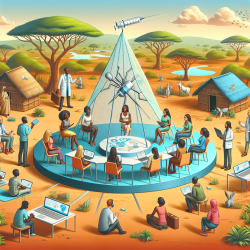
The TTSM program, a gender-sensitive community dialogue initiative, played a pivotal role in reshaping gender roles and promoting shared decision-making in malaria prevention. Participants exposed to TTSM reported more equitable gender roles and improved communication within households, leading to better health outcomes.
Key outcomes of the TTSM program include:
- Enhanced communication between couples, fostering a "harmonious household" where decisions are shared.
- Increased male involvement in malaria prevention practices, such as accompanying partners to health facilities.
- Community-wide diffusion of positive health messages, encouraging collective action in malaria prevention.
Implications for Practitioners
For practitioners working in health communication and intervention design, integrating gender dynamics into program planning is essential. The following strategies can enhance the effectiveness of health interventions:
- Promote Gender Equality: Encourage programs that foster equitable gender roles and shared decision-making within households.
- Engage Men in Health Dialogues: Involve men in health education and decision-making processes to ensure comprehensive community engagement.
- Leverage Community Dialogues: Utilize participatory approaches like TTSM to facilitate community-wide behavior change and address gender inequalities.
Conclusion
The study underscores the importance of understanding and integrating gender dynamics in health interventions. By fostering equitable decision-making and leveraging community dialogues, practitioners can enhance the effectiveness of malaria prevention efforts and improve health outcomes.
To read the original research paper, please follow this link: “We have this, with my husband, we live in harmony”: exploring the gendered decision-making matrix for malaria prevention and treatment in Nampula Province, Mozambique.