
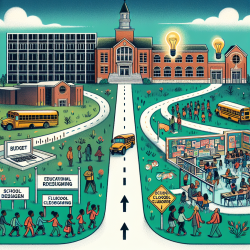
In the face of declining enrollment, California's K-12 education system is at a crossroads. With fewer students enrolling each year due to factors such as falling birth rates and reduced immigration, district leaders are tasked with making tough decisions that could reshape the educational landscape. However, this challenge also presents an opportunity to design stronger schools and systems that better align with the evolving needs of students and communities.
Understanding the Challenge
The projected decline in student enrollment across California necessitates a reevaluation of how resources are allocated. As state funding is often tied to student numbers, fewer students mean fewer dollars. This reality forces districts to reconsider their budgets and make strategic decisions about staff, programs, and even school closures.
Toolkit Components
This toolkit offers a structured approach to navigating these challenges through five key components:
- Enrollment Decline Analysis: Conducting thorough demographic projections and assessing the fiscal impact of declining enrollment.
- Budgeting: Aligning district initiatives with financial realities, protecting revenue streams, and auditing current spending to ensure sustainability.
- Staffing, Schedules, and Instructional Models: Planning for redesign by implementing flexible staffing structures and adopting innovative instructional models.
- School Closure and Welcoming Schools: Using engaged approaches to school closures while supporting schools that welcome new students from closed institutions.
- Partnerships and Facilities: Leveraging partnerships with external organizations and underutilized district properties to enhance educational offerings and community services.
The Human Side of Enrollment Decline
Beyond the logistical challenges, declining enrollment also impacts the emotional well-being of students, families, educators, and communities. It is crucial for district leaders to acknowledge these effects and incorporate strategies such as counseling services and community engagement efforts to support those affected by these transitions.
A Strategic Approach to Redesign
The toolkit emphasizes proactive planning over reactive responses. By using data-driven insights to forecast demographic changes and financial implications, districts can strategically realign resources in ways that promote educational equity and excellence. Implementing innovative instructional models—such as dual enrollment programs or flexible scheduling—can help districts maintain high-quality learning experiences despite budget constraints.
Community Engagement and Equity
Engaging stakeholders early in the process ensures that decisions reflect community needs and priorities. Transparent communication fosters trust and facilitates smoother transitions during school closures or consolidations. Moreover, considering equity impacts in decision-making helps protect marginalized groups from disproportionate negative effects.
Leveraging External Partnerships
Collaborations with external organizations can provide additional resources and expertise that districts might lack internally. These partnerships can enhance student learning opportunities through programs focused on career readiness, social-emotional development, or technological integration.
A Call to Action
This toolkit serves as a guide for California district leaders navigating declining enrollment. By adopting a strategic approach to redesigning school systems, districts can not only manage current challenges but also lay the groundwork for stronger educational environments that meet future needs.
For more information on navigating declining enrollment, please follow this link.