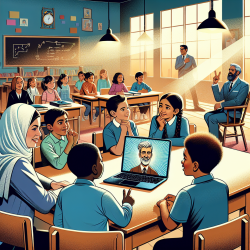

The journey from a teaching role to becoming a principal or vice-principal is a significant transition that carries both opportunities and challenges. As educators make this leap into leadership positions, they often encounter new responsibilities, expectations, and dynamics within their schools and communities.
The Challenges of Transition
One of the primary challenges faced by new school leaders is adapting to the increased workload and responsibility. While teaching focuses largely on classroom management and student interaction, administrative roles require a broader perspective that includes managing staff, setting strategic directions, and ensuring school-wide accountability. The shift demands not only a change in mindset but also the acquisition of new skills.
According to research by Denise E. Armstrong for The Institute for Educational Leadership (IEL), newly appointed principals and vice-principals often feel unprepared for the complexities of their roles despite feeling ready before their appointments. This discrepancy highlights the unpredictable nature of administrative duties which can only be fully understood through experience.
Support Systems and Professional Development
Support systems play a crucial role in easing the transition for new school leaders. Mentoring from experienced principals and vice-principals provides invaluable guidance and emotional support. Formal mentoring programs are particularly beneficial when they are structured to address the specific developmental needs of newcomers.
Professional development opportunities tailored to leadership roles are also essential. These programs should offer practical training in areas such as conflict resolution, time management, and instructional leadership. Additionally, job-embedded learning experiences like internships or shadowing can provide hands-on experience that bridges the gap between theory and practice.
Building Relationships and Networks
Successful transition into leadership roles requires building strong relationships with staff, students, parents, and community members. New principals and vice-principals must navigate school politics and foster a collaborative environment. Establishing trust within these networks is crucial for effective school management and student success.
Recommendations for Aspiring Leaders
- Seek Continuous Learning: Engage in professional development opportunities that enhance leadership skills.
- Build Supportive Relationships: Cultivate networks with peers and mentors who can offer guidance and support.
- Manage Work-Life Balance: Prioritize personal well-being to prevent burnout and maintain effectiveness as a leader.
- Embrace Change: Be adaptable to new challenges and open to learning from experiences.
The transition from teacher to principal or vice-principal is undoubtedly challenging but also rewarding. By leveraging support systems, engaging in continuous learning, and building strong relationships, new school leaders can navigate this transition successfully and make a positive impact on their schools.
For more information on transitioning to principal or vice-principal roles, please follow this link.