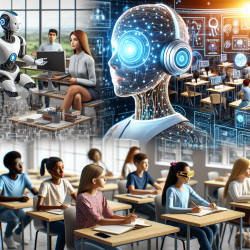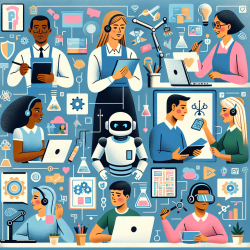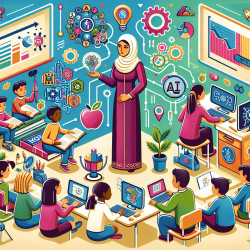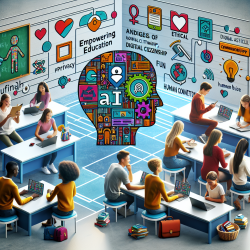
The integration of Artificial Intelligence (AI) into the educational landscape is not only an exciting development but a necessary one as we prepare our students for a future where AI literacy is essential. This guide explores the "Human Inquiry, AI Use, Human Empowerment" framework, providing educators with the tools they need to responsibly and effectively incorporate AI into their teaching practices.
The Human-Centered Approach to AI in Education
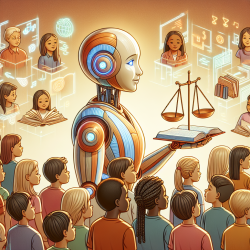
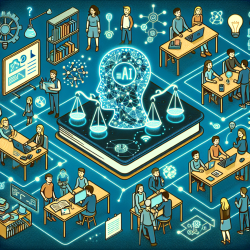
The "Human Inquiry, AI Use, Human Empowerment" (H AI H) framework emphasizes starting with human inquiry and ending with human reflection. This approach ensures that AI serves as a tool to enhance learning rather than replace the critical thinking process. By focusing on human empowerment, educators can guide students in using AI responsibly and ethically.
The Essential Role of Educators
Educators are crucial in moderating the influence of AI in the classroom. By adopting a philosophy that prioritizes human inquiry, teachers can ensure that AI augments rather than replaces traditional teaching methods. This approach highlights the importance of maintaining ethical standards and promoting inclusivity.
AI Integration Across K-12 Education
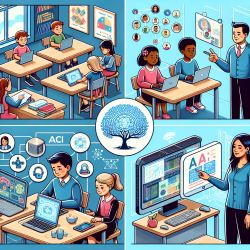
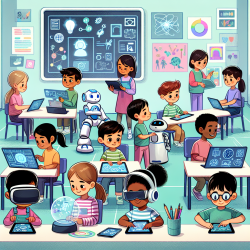
The integration of AI in K-12 education must be tailored to different age groups and subject areas. For younger students, interactive tools like Google's Quick, Draw! can introduce them to the basics of AI. As students progress through middle and high school, they can engage more deeply with AI technologies, developing critical thinking skills alongside technical abilities.
Considerations for Students with Unique Needs
AI has the potential to support students with disabilities by providing personalized instructional supports. For English Language Learners (ELLs), AI can offer pronunciation feedback and grammar assistance. In world languages, AI-powered chatbots can simulate conversations tailored to a student's learning level.
A Framework for Critical Thinking About AI
The SHIFT framework encourages students to develop critical thinking skills when using AI tools. By starting with curiosity and honing in on specific details, students learn to identify context and frame issues from new perspectives. Discussing what’s missing helps them understand the limitations of AI technologies.
Policy Frameworks and Ethical Considerations
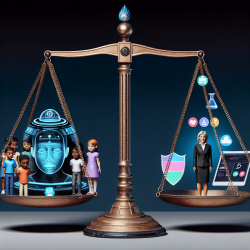
Schools should establish policies that address ethical, safety, and privacy considerations when using AI. Sample policies can provide guidance on how to balance innovation with responsibility, ensuring that all stakeholders benefit from the use of these technologies.
Professional Development for Educators
The successful integration of AI into classrooms requires continuous professional development for educators. Training should focus on understanding how to use Gen AI responsibly and effectively while promoting ethical use and academic integrity.
This guide is a stepping stone towards creating an educational environment where technology supports learning while human control leads to boundless educational opportunities.