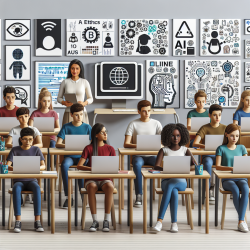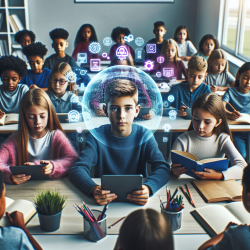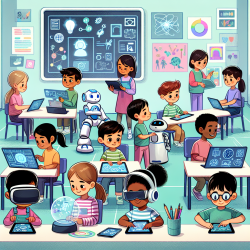
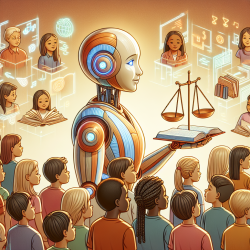
Artificial Intelligence (AI) is rapidly becoming a cornerstone of modern education, offering innovative solutions to enhance learning experiences. In Washington state, the Office of Superintendent of Public Instruction (OSPI) has introduced a comprehensive guide to integrating AI into K-12 public schools with a focus on human-centered approaches. This guidance emphasizes the “Human AI Human” model, which prioritizes human inquiry and reflection at both the start and end of any AI interaction.
The Human-Centered Approach: H AI H
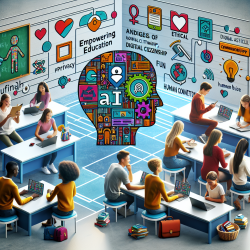
The "Human AI Human" (H AI H) framework encourages educators, administrators, and students to engage with AI responsibly and ethically. This model ensures that while AI can assist in educational processes, it should not replace human insight and decision-making. The framework advocates starting with human inquiry, using AI as a tool for exploration, and concluding with human reflection and empowerment.
Key Components of the Guidance
- Understanding AI: Provides context about the emergence of AI and its implications for public education systems.
- Definitions: Explains what generative AI (Gen AI) is and is not, highlighting potential opportunities and risks in public education.
- Principles and Values: Emphasizes equitable, inclusive, safe, secure, understandable, purposeful, and beneficial use of AI in education.
- Guidance: Offers strategies for creating human-centered learning environments and implementing AI in student learning.
- Policy: Details components of effective AI usage policies, including acceptable use policies that require human input and review.
Empowering Educators and Students
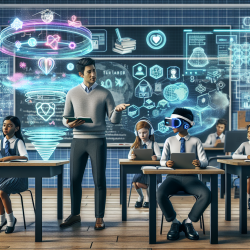
The guidance underscores the essential role of educators in integrating AI into classrooms. It provides tools for teachers to develop an understanding of how to ethically use AI to enhance learning without compromising academic integrity. Teachers are encouraged to foster environments where students can critically engage with AI technologies.
Implementing AI in Student Learning
The integration of AI into student learning empowers students to take control of their educational journey. By co-creating decision-making rubrics with students and encouraging critical thinking about the role of AI, educators can help students leverage technology effectively. This includes preparing students for future careers by integrating ethics and critical thinking activities that align with grade-level instruction.
The Role of Policies in Responsible Use
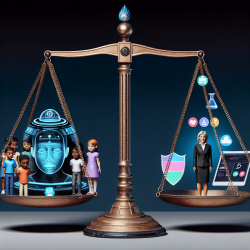
AI policies must promote equitable access while ensuring ethical norms are respected. Policymakers are encouraged to enhance learning for all students by incorporating human-centered approaches into their strategies. This involves updating existing policies to reflect new technologies and ensuring that data privacy laws are adhered to.
A Call to Action for Stakeholders
The guidance calls on all stakeholders—caregivers, families, teachers, education partners, and community members—to join in this groundbreaking journey. By working together, they can ensure that technology supports but never overshadows the vital role of human inquiry in education. The ultimate goal is to prepare students for success in a world increasingly shaped by artificial intelligence.
For more information on this transformative approach to integrating AI in education, please follow this link.