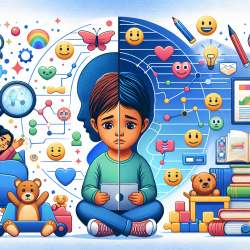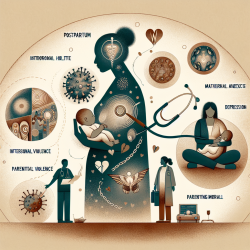

The COVID-19 pandemic has brought unprecedented challenges to mental health worldwide. Among the most affected are pregnant women, whose anxiety levels have been significantly impacted by the pandemic's uncertainties. A recent study titled "The Impact of Maternal Anxiety on Early Child Development During the COVID-19 Pandemic" sheds light on how maternal anxiety influences early childhood development, particularly in speech-language, sensory-motor, and socio-emotional domains.
Key Findings from the Study
The study involved 142 pregnant women and their infants aged 12 months. It revealed that maternal trait anxiety and COVID-19-related fear significantly impact infants' developmental outcomes. The research utilized the State-Trait Anxiety Inventory (STAI) to measure maternal anxiety levels and assessed children's development through an online questionnaire.
- Speech-Language Development: The study found that maternal anxiety accounted for up to 40.6% of variability in infants' speech-language development. This suggests a strong correlation between a mother's mental state and her child's ability to acquire language skills.
- Sensory-Motor Skills: Sensory-motor development was also affected by maternal anxiety, with a variability explanation of 34.7%. This highlights the importance of addressing maternal mental health to foster optimal motor skill development in infants.
- Socio-Emotional Development: The socio-emotional domain showed significant correlations with maternal anxiety, indicating that a mother's emotional well-being is crucial for her child's social and emotional growth.
Strategies for Practitioners
Practitioners working with expectant mothers can play a pivotal role in mitigating the adverse effects of maternal anxiety on child development. Here are some strategies based on the study's findings:
- Promote Mental Health Support: Encourage pregnant women to seek mental health support through counseling or therapy. Addressing anxiety can lead to better developmental outcomes for their children.
- Enhance Social Support Networks: Facilitate connections between expectant mothers and community support groups. Social support has been shown to buffer against anxiety and improve overall well-being.
- Educate on Coping Mechanisms: Provide resources and workshops on effective coping strategies for managing stress and anxiety during pregnancy.
- Monitor Infant Development: Conduct regular assessments of infants' developmental milestones to identify any areas needing intervention early.
The Need for Further Research
This study underscores the need for ongoing research into the long-term effects of maternal anxiety on child development, especially in the context of global crises like the COVID-19 pandemic. Practitioners are encouraged to contribute to this body of research by documenting their observations and outcomes from interventions.
To read the original research paper, please follow this link: The Impact of Maternal Anxiety on Early Child Development During the COVID-19 Pandemic.