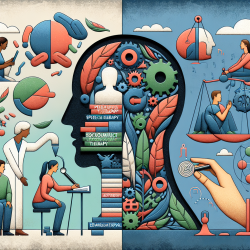

Speech and language therapy (SLT) plays a pivotal role in supporting individuals with communication challenges, offering life-enhancing treatment across various age groups. From infants to adults, SLTs provide crucial services that improve not only communication but also quality of life. This article delves into the multifaceted world of SLTs, highlighting their significant contributions to education and beyond.
What Do Speech and Language Therapists Do?
Speech and language therapists are dedicated professionals who assess and treat speech, language, and communication problems. They also address difficulties related to eating, drinking, and swallowing. By utilizing their specialized skills, SLTs work directly with clients and their caregivers to develop personalized treatment plans. Collaborating with teachers and other health professionals, they create comprehensive support systems tailored to individual needs.
Who Benefits from Speech and Language Therapy?
SLT services cater to a diverse range of individuals:
- Infants: SLTs assist premature babies and those with conditions such as cerebral palsy and Down syndrome, helping them overcome early communication challenges.
- Children: Children with primary speech difficulties or those secondary to other conditions like learning disabilities benefit significantly from SLT interventions.
- Adults with Learning Difficulties: Adults with developmental conditions receive support to enhance their communication abilities.
- Adults: SLTs aid adults facing communication issues due to medical conditions such as stroke or Parkinson’s disease.
The Importance of Speech and Language Therapy in Education
The educational landscape is deeply influenced by SLT services. Communication needs are the most prevalent type of special educational need among children aged 4-11. In some areas, a significant percentage of children start school with underdeveloped communication skills. SLTs play a crucial role in addressing these issues by working within schools to provide targeted interventions that foster better learning environments.
Where Do Speech and Language Therapists Work?
SLTs operate in various settings, each offering unique opportunities for impactful work:
- Community health centers
- Hospital wards and intensive care units
- Outpatient departments
- Children’s centers, mainstream and special schools
- Nursing homes and day centers
- Courtrooms, prisons, and young offenders’ institutions
The versatility of SLTs allows them to adapt their skills to meet the needs of diverse populations across different environments.
Real-Life Impact: Stories from the Field
The transformative power of SLT is best illustrated through real-life stories:
- Muriel’s Story: Living with Alzheimer’s disease, Muriel faced communication challenges. With SLT support, she regained her ability to communicate effectively, improving her quality of life.
- Alan’s Story: After a stroke left Alan unable to swallow, SLT interventions helped him regain his swallowing abilities, allowing him to return to a normal diet.
- Cayden’s Story: Diagnosed with a speech sound disorder at age three, Cayden benefited from intensive speech therapy. His improved communication skills transformed his educational experience and social interactions.
The Growing Need for Speech and Language Therapy
The demand for SLT services is on the rise. Nearly 20% of the population may experience communication difficulties at some point. In socially deprived areas, many children start school with inadequate speech skills. Furthermore, a significant portion of young offenders have speech or language difficulties. These statistics underscore the necessity for accessible and effective SLT services.
For more information on what speech and language therapists do and their impact, please follow this link.