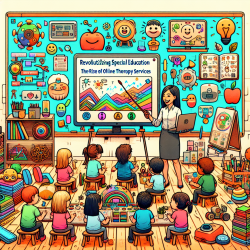

In the ever-evolving landscape of education, experiential learning stands out as a beacon of innovation and engagement. This approach, which emphasizes learning through experience and reflection, offers an empowering alternative to traditional classroom instruction. As we delve into the world of experiential learning, we uncover its profound impact on students, educators, and institutions alike.
What is Experiential Learning?
At its core, experiential learning is about "learning by doing." It immerses learners in activities that encourage reflection and critical thinking to develop new skills and attitudes. Unlike conventional education, which often isolates subjects into distinct silos, experiential learning embraces an interdisciplinary approach that mirrors the complexity of the real world.
The Principles of Experiential Learning
- Mixture of Content and Process: A balance between hands-on activities and theoretical understanding is crucial.
- Absence of Excessive Judgment: Creating a safe environment for self-discovery is essential.
- Purposeful Endeavors: Activities should be meaningful and relevant to the learner.
- The Big Picture Perspective: Encouraging connections between classroom learning and real-world applications.
- The Role of Reflection: Critical reflection brings theory to life and deepens understanding.
The Benefits of Experiential Learning
The advantages of experiential learning extend beyond academic achievement. Students gain valuable life skills such as problem-solving, adaptability, and self-management. This approach also fosters inclusivity by supporting diverse learner groups, including those who may struggle in traditional settings or are underrepresented in certain fields.
A Catalyst for Personal Growth
Experiential learning encourages students to step outside their comfort zones. By engaging in activities that challenge their perceptions and values, learners develop confidence and resilience. They learn to navigate complex systems and build meaningful relationships within their communities.
The Role of Educators in Experiential Learning
The shift from traditional instruction to experiential learning requires educators to adopt new roles. Teachers become facilitators and guides, empowering students to take charge of their own education. This transformation involves relinquishing some control while providing support and resources for students' exploration.
Nurturing Reflective Practice
A critical component of experiential learning is reflection. Educators must teach students how to reflect effectively on their experiences to extract meaningful insights. This involves guiding learners through structured reflection exercises that deepen their understanding and encourage self-assessment.
The Future of Experiential Education
The potential for experiential learning to revolutionize education is immense. As schools increasingly recognize its value, they can offer more opportunities for students to engage with real-world challenges. By doing so, educational institutions not only enhance student outcomes but also contribute to community development and social progress.
If you're interested in exploring more about best practices in experiential learning, please follow this link.