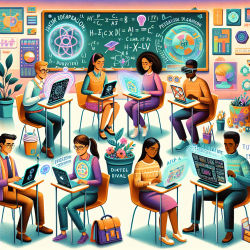
The landscape of education is rapidly evolving with the integration of artificial intelligence (AI) tools. The 2025 Student Generative AI Survey conducted by HEPI provides critical insights into how undergraduate students are utilizing these tools. As a Special Education Director, understanding these trends is essential for ensuring that educational institutions are equipped to support students effectively while maintaining academic integrity.
Key Findings from the Survey
The survey reveals a significant increase in the use of generative AI tools among students. In 2025, 92% of surveyed students reported using AI in some form, a substantial rise from 66% in 2024. Notably, 88% have used generative AI for assessments. The main applications include explaining concepts, summarizing articles, and suggesting research ideas.
- Time-Saving and Quality Improvement: Students primarily use AI to save time and enhance the quality of their work. However, concerns about academic misconduct and receiving false or biased results persist.
- Gender and Socio-Economic Disparities: The survey highlights a digital divide, with women being more cautious about using AI due to potential risks. Wealthier students and those enrolled in STEM courses show greater enthusiasm for AI tools.
The Role of Institutions
Institutions have made strides in establishing clear policies on AI use for assessments. Approximately 80% of students agree that their institution has a clear policy, an improvement from previous years. However, only 36% of students have received institutional support to develop AI skills, indicating a gap between policy establishment and skill development.
The Importance of Staff Training
The survey underscores the need for ongoing staff training to ensure they are well-equipped to support students in using AI tools effectively. In 2025, 42% of students believe that staff are adequately prepared to help them with AI, compared to just 18% in 2024.
Challenges and Recommendations
- Navigating Ethical Use: Students remain divided on what constitutes acceptable use of AI-generated content in assessments. Institutions must provide guidance on ethical usage to prevent misuse.
- Tackling Digital Divides: Persistent disparities exist based on gender, socio-economic status, and academic disciplines. Addressing these divides is crucial to ensuring equitable access to AI tools.
Recommendations for Institutions
- Regularly Review Assessment Practices: As AI capabilities evolve, institutions should continually assess their evaluation methods to ensure they remain robust against potential misuse.
- Enhance Staff Training: Providing comprehensive training for staff on the latest AI tools will enable them to better support student learning and assessment preparation.
- Create Inclusive Policies: Institutions should adopt policies that acknowledge the inevitability of student use of AI while promoting responsible usage that enhances learning outcomes.
The integration of AI in education presents both opportunities and challenges. By staying informed about these trends and implementing strategic measures, educational institutions can harness the benefits of AI while safeguarding academic integrity.
For more information, please follow this link.