In the realm of early childhood education, understanding how learning occurs is crucial. Ontario’s pedagogical approach, “How Does Learning Happen?”, serves as a guiding framework for educators working with young children and their families. This document emphasizes learning through relationships and environments and provides a comprehensive view of child development. Let’s delve into the foundational principles that drive this approach and explore its practical implications for educators, families, and communities.
The Four Foundations of Learning
Ontario’s pedagogy is organized around four foundational conditions that are essential for children to thrive: Belonging, Well-Being, Engagement, and Expression. These foundations are not just goals but are integral to the daily experiences of children in early years programs.
- Belonging: A sense of connectedness to others and the environment fosters relationships that are crucial for learning.
- Well-Being: Physical and mental health are prioritized to ensure children develop self-care and self-regulation skills.
- Engagement: Active participation in learning through play and inquiry encourages problem-solving and creative thinking.
- Expression: Communication in all forms is supported to help children articulate their ideas and feelings effectively.
The Role of Educators
Educators play a pivotal role in implementing this pedagogical approach. They are encouraged to engage as co-learners with children, creating environments that stimulate curiosity and exploration. By observing and reflecting on children’s interactions, educators can tailor experiences that align with each child's interests and developmental stage.
An educator's ability to build positive relationships with children and families is foundational. These relationships not only support emotional well-being but also enhance cognitive development by providing a safe space for children to express themselves and explore new ideas.
Family Engagement
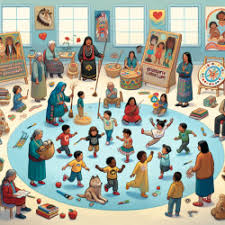
The role of families is recognized as central to children’s development. Programs are designed to include family perspectives and create opportunities for meaningful engagement. By valuing the unique strengths and contributions of each family, educators can foster an inclusive environment where all voices are heard.
Moreover, respecting cultural diversity within family structures enriches the learning environment. Programs aim to reflect the diverse social, cultural, and linguistic backgrounds of the families they serve.
Creating Supportive Environments
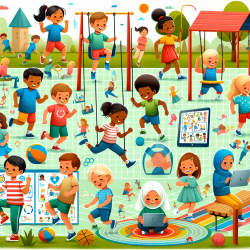
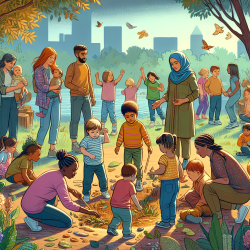
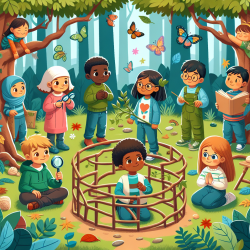
The physical environment is seen as a “third teacher” in this pedagogical approach. Spaces are designed to encourage exploration and interaction with both the natural world and diverse materials. Outdoor play is particularly emphasized as it enhances physical health while fostering cognitive skills such as problem-solving.
A well-thought-out environment provides opportunities for risk-taking within safe boundaries, promoting independence and confidence among children. By allowing extended periods of uninterrupted play, children can engage deeply with their surroundings, leading to more meaningful learning experiences.
Cultivating Reflective Practice
A key component of “How Does Learning Happen?” is encouraging educators to engage in continuous reflective practice. This involves questioning established norms, exploring new ideas, and collaborating with colleagues to enhance pedagogical strategies. Such reflection supports professional growth and leads to improved outcomes for children.
Through critical reflection, educators are better equipped to adapt their practices to meet the evolving needs of children and families within their programs. Collaborative inquiry among educators further enriches this process by providing diverse perspectives on effective teaching methods.
Conclusion
Ontario’s pedagogical framework offers a comprehensive approach to early childhood education by emphasizing relationships, inclusive practices, and reflective teaching. By focusing on the four foundational conditions—Belonging, Well-Being, Engagement, and Expression—educators can create supportive environments that nurture each child’s potential.
This framework not only guides educators but also serves as a resource for families seeking to understand how they can contribute to their child’s learning journey. For those interested in exploring this approach further, additional resources provide deeper insights into how learning happens in early years settings.
For more information, please follow this link.