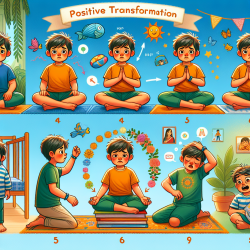

In recent years, the concept of self-regulation has garnered significant attention from researchers, educators, and parents alike. According to Dr. Stuart G. Shanker, a renowned researcher and professor, self-regulation is foundational for a child's long-term physical, behavioral, educational, and psychological well-being. But what exactly is self-regulation?
Defining Self-Regulation
Self-regulation involves managing one's behavior, emotions, and body movement in challenging situations while maintaining focus and attention. It emphasizes handling stressors and recovering from them effectively. Unlike self-control—which is about inhibiting impulses—self-regulation involves identifying triggers and reducing the intensity of impulses to maintain a balanced state of mind.
What Self-Regulation Is Not
Self-regulation should not be confused with compliance or mere obedience. A child may appear compliant (e.g., sitting quietly in a doctor’s office) but could be feeling anxious inside. This behavior might result from external motivations such as rewards or fear of punishment rather than true self-regulation. Understanding the underlying causes of a child's behavior is crucial to fostering genuine self-regulation.
The Traffic Light and Thermostat Analogies
Self-regulation can be likened to how a traffic light controls the flow of traffic or how a thermostat maintains a room's temperature. Both systems adjust according to conditions to maintain balance. Similarly, children need to adjust their emotional responses to achieve their "set point" of comfort and stability.
The Significance of Self-Regulation
Research over the past decades has highlighted the profound impact of self-regulation on various aspects of life. It significantly influences physical health, academic achievements, social relationships, and overall psychological well-being. Supporting your child's self-regulation skills can lead to long-term positive outcomes in all these areas.
Difficulties with Self-Regulation
Younger children often struggle with self-regulation due to their developing brains. Additionally, children with neurological or developmental disorders may face heightened challenges. Recognizing these difficulties is essential for providing appropriate support at home.
Dysregulation: Triggers and Signs
Dysregulation occurs when a child cannot cope with stressors effectively. Identifying these stressors—such as lack of sleep, changes in routine, or sensory overload—is crucial for understanding your child's behavior. Visible signs of dysregulation include mood swings, impulsivity, difficulty focusing, and trouble interacting with others.
- Mood swings and defiance
- Difficulties with attention and frustration tolerance
- Trouble sleeping or sitting still
Acknowledging these signs helps parents understand that challenging behaviors often stem from an inability to manage stress rather than intentional defiance.
Supporting Your Child at Home
Every child has unique challenges with self-regulation; however, there are universal strategies parents can employ:
- Create a supportive environment: Identify stressors and adjust your child's environment to minimize them.
- Narrate feelings: Help your child articulate their emotions by modeling language such as "I feel sad because..."
- Encourage emotional literacy: Use emotion books or games to teach children about different feelings and appropriate responses.
- Praise efforts: Focus on your child's efforts rather than outcomes to build resilience.
A key component is modeling self-regulation yourself since children learn by example.
Your Role as a Parent
Your ability to self-regulate influences your child's development significantly. By demonstrating healthy coping mechanisms during stressful situations, you provide a powerful example for your child to emulate.
- Breathe deeply: Practice diaphragmatic breathing during stressful moments.
- Cultivate positivity: Encourage positive self-talk and realistic goal-setting.
Your actions serve as a blueprint for your child’s behavior; thus aiming to be the best version of yourself benefits both you and your child.
A Final Note on Resources
If you're interested in exploring more about supporting your child's self-regulation skills, please follow this link.