The journey of speech and language development is a fascinating and critical aspect of early childhood growth. From the moment a child is born, they embark on a path of learning to communicate, which is essential for their overall development and integration into society. Understanding the milestones of speech and language development helps parents, educators, and healthcare professionals ensure that children are on the right track and identify any potential delays early on.
How Do Speech and Language Develop?
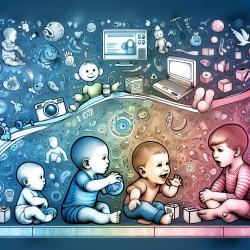
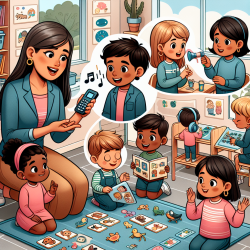
The first three years of life are crucial for acquiring speech and language skills. During this period, the brain is rapidly developing and maturing, making it the most intensive time for language acquisition. Children learn best in environments rich with sounds, sights, and consistent exposure to the speech and language of others. There are critical periods during which the brain is most receptive to absorbing language, making early exposure essential.
Milestones for Speech and Language Development
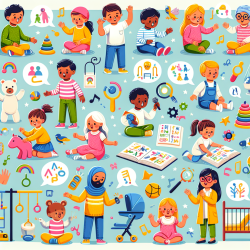
Speech and language development follows a natural progression or timetable. Here are some key milestones:
- Birth to 3 Months: Babies react to loud sounds, calm down when spoken to, and begin cooing.
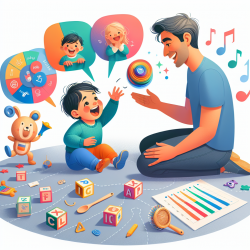
- 4 to 6 Months: Infants start babbling, respond to changes in tone, and enjoy sounds like music.
- 7 Months to 1 Year: Babies begin to understand words for common items and respond to simple requests.
- 1 to 2 Years: Toddlers start using simple phrases and acquire new words regularly.
- 2 to 3 Years: Children use two- or three-word phrases and begin using more complex sounds.
- 3 to 4 Years: Children answer simple questions and talk about activities at preschool or with friends.
- 4 to 5 Years: Children communicate easily with adults and peers, use sentences with many details, and begin to grasp grammar.
These milestones serve as a checklist for parents and professionals to determine if a child is on track or may need extra support.
Understanding Speech and Language Disorders
It's important to differentiate between speech disorders and language disorders:
- Language Disorders: These involve difficulties in understanding (receptive language) or expressing thoughts (expressive language). Specific Language Impairment (SLI) is a type of language disorder that delays language mastery.
- Speech Disorders: These include difficulties in producing speech sounds correctly or fluently. Apraxia of speech is a disorder affecting the ability to coordinate muscle movements needed for speech.
What to Do If You Suspect a Delay
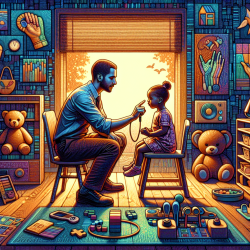
If you have concerns about your child's speech or language development, consult a healthcare professional. A speech-language pathologist can evaluate your child using various tests, including hearing assessments, as hearing issues can impact speech development. Early intervention can significantly improve outcomes, with therapy sessions tailored to the child's specific needs.
Ongoing Research and Future Directions
The National Institute on Deafness and Other Communication Disorders (NIDCD) sponsors extensive research into speech and language disorders. Current studies aim to improve diagnostic tools, explore genetic links, and understand brain plasticity's role in language acquisition. Such research is vital for developing effective treatments and interventions for children with communication challenges.
The NIDCD also organizes workshops and studies focusing on subgroups of children with unique challenges, such as those with autism spectrum disorders who lack functional verbal language by age five. These efforts help identify research gaps and opportunities for future studies.
For more information on speech and language developmental milestones, please follow this link.