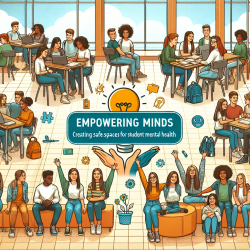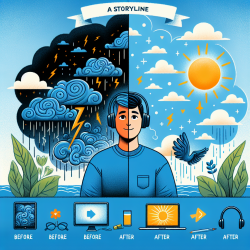

As a Special Education Director, I often encounter concerns regarding student mental health and well-being. The recent survey conducted by the Department of Research and Advocacy for the UASU Executive Committee provides valuable insights into these issues. This blog will delve into the findings, highlighting key areas such as loneliness, burnout, and sources of stress among students.
The State of Student Well-being
The survey collected 765 unique responses between March 28th and April 4th, 2024. The primary focus was on student health and well-being, with particular attention to loneliness, burnout, and sources of stress.
Loneliness
- 29% of respondents indicated it had been days since someone checked in on them.
- A significant 61.8% reported feeling lonely, with 18% strongly agreeing that they felt lonely.
- Students who felt lonely were four times more likely to report very bad emotional health.
- These students also reported feeling less connected to student groups and more stressed by personal relationships.
Burnout
- A staggering 81.9% of respondents reported feeling burnt out.
- Those who strongly agreed with feeling lonely were twice as likely to also feel burnt out.
- Burnout was closely linked to academic stress, with academic work being the top source of stress for 75% of students.
Diving Deeper into Emotional and Physical Health
The survey revealed a complex interplay between emotional and physical health:
- Only 3.1% reported having very good emotional health.
- Students with very bad emotional health often reported poor physical health as well.
- Interestingly, 50% of those with very good emotional health also enjoyed good physical health.
Demographics
The majority of respondents were first or second-year students, with notable representation from the Faculty of Science (31%), followed by Arts (19%) and Engineering (15%). This demographic information helps contextualize the survey findings within specific academic environments.
Sources of Stress and Coping Mechanisms
Apart from academic pressures, personal relationships (38%) and mental health concerns (51%) were significant stressors. Despite these challenges, some students found solace in campus amenities:
- Cafes like Mood Cafe and Remedy offer a relaxing environment.
- The gym provides a physical outlet for stress relief.
- Libraries such as Rutherford and Cameron serve as quiet retreats for focused study.
The sense of community fostered by events at Dewey’s or the serene campus grounds also contribute positively to student well-being.
The Role of Technology
The survey touched upon technology use, revealing that a small percentage of lonely students used ChatGPT or chatbots regularly. However, most students rarely engaged with these tools. This suggests that while technology can offer support, it is not yet a primary coping mechanism for most students facing loneliness or burnout.
Conclusion: Addressing Student Needs
The findings underscore the importance of regular check-ins and creating supportive environments for students. Universities can play a pivotal role by fostering inclusive communities, offering accessible wellness resources, and alleviating academic pressures where possible. For more information on these topics, please follow this link.