Transitioning from high school to the workforce is a pivotal moment for any student, but it holds particular significance for students with disabilities. The Individuals with Disabilities Education Act (IDEA) underscores the importance of transition planning by mandating its inclusion in Individualized Education Plans (IEPs) for students aged 14 and older. Yet, despite this legislative framework, many educators struggle to implement effective transition strategies.
Understanding Transition Planning
Transition planning is designed to prepare students with disabilities for life after high school by focusing on their strengths, needs, preferences, and interests. This process involves a comprehensive assessment that encompasses formal, informal, and alternative evaluations.
- Formal Assessments: These standardized tests provide targeted insights but may not capture a student's full capabilities or motivation.
- Informal Assessments: Developed by teachers or agencies, these assessments offer flexibility and adaptability to capture functional skills and interests.
- Alternative Assessments: Performance-based evaluations that require students to demonstrate knowledge through real-world tasks.
The Integration Approach
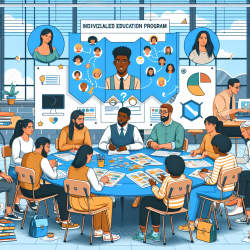
An effective transition plan relies on collaboration between various agencies and stakeholders. Service integration models advocate for a unified approach where public schools, rehabilitation agencies, and developmental disabilities organizations work together. This collaboration maximizes resources and ensures continuity of support as students move into adulthood.
The Impact of Multicultural Considerations
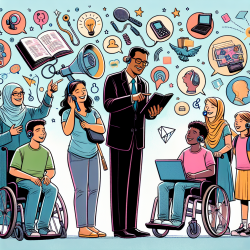
Cultural diversity plays a crucial role in transition planning. Research indicates that African-American and Hispanic youth with disabilities face more challenges in finding employment compared to their European-American counterparts. Therefore, understanding cultural values and expectations is vital for creating effective transition plans. Schools must strive to engage culturally diverse families and respect their unique perspectives on adulthood and independence.
Strategies for Improvement
- Enhance Educator Training: Educators should receive training on teaching self-determination skills and recognizing cultural influences on student goals.
- Foster Interagency Collaboration: Schools should establish agreements with external agencies to ensure seamless service delivery during and after the transition period.
- Cultural Sensitivity: Schools must be sensitive to cultural nuances and actively involve families in the transition process.
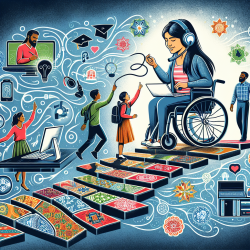
The journey from school to adulthood is complex for students with disabilities. By focusing on comprehensive assessments, fostering interagency collaboration, and embracing multicultural aspects, educators can create robust transition plans that pave the way for successful post-secondary outcomes.
For more information, please follow this link.