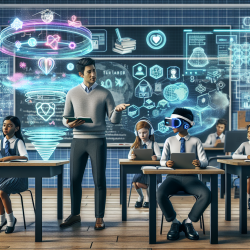

Artificial Intelligence (AI) is no longer a futuristic concept but an emerging reality that is reshaping various sectors, including education. As schools and educators begin to explore the potential of AI, it becomes crucial to understand how these technological advancements can be harnessed to improve teaching and learning. In this blog post, we will delve into insights from educational leaders on the integration of AI in education, focusing on ethical practices and effective implementations.
The Growing Interest in AI within Educational Systems
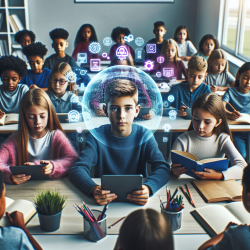
Today’s educational landscape is rapidly evolving, with many educators exploring AI tools as they are released to the public. From voice assistants that aid students with disabilities to intelligent tutoring systems that personalize learning experiences, AI offers promising solutions to long-standing educational challenges. Yet, with these advancements come new risks related to data privacy and algorithmic biases.
Why Address AI in Education Now?
- Enhancing Educational Priorities: AI offers scalable solutions for personalized learning, addressing diverse student needs efficiently.
- Mitigating Risks: Awareness of potential biases and surveillance concerns necessitates proactive policy development.
- Avoiding Unintended Consequences: The automation of instructional decisions must be closely monitored to prevent widening achievement gaps.
Toward Ethical and Equitable AI Policies
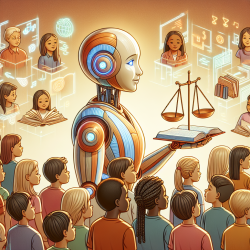
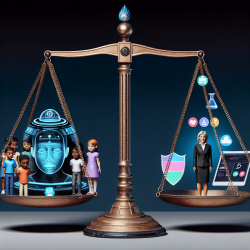
The U.S. Department of Education has recognized the urgent need for policies that govern the use of AI in educational settings. These policies aim to ensure that AI systems are not only effective but also equitable and safe for all students. Key recommendations include centering people—parents, educators, and students—in the development of AI tools, advancing equity by addressing algorithmic biases, and promoting transparency in AI operations.
Key Insights for Educators
- Human-Centric Approach: Keep educators involved in instructional loops to maintain human judgment at the forefront.
- Focus on Equity: Develop AI models that recognize and build upon each student's strengths rather than focusing solely on deficits.
- Ensure Safety and Effectiveness: Prioritize data privacy and security while ensuring the efficacy of AI tools through rigorous evaluation.
- Promote Transparency: Provide clear explanations of how AI models work to build trust among educators and students.
The Role of Research and Development
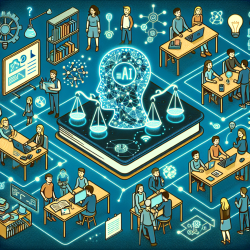
As AI continues to advance, research plays a critical role in understanding its impact on education. Researchers are called upon to focus on context sensitivity—acknowledging the diverse environments in which learning occurs—and to prioritize fairness and accountability in AI systems. By doing so, they can help ensure that AI technologies benefit all learners equitably.
The integration of Artificial Intelligence into education is not just about adopting new technologies; it's about transforming how we teach and learn. By focusing on ethical practices and effective implementations, educators can harness the power of AI to create more inclusive and personalized learning experiences.
For more information on this topic, please follow this link.