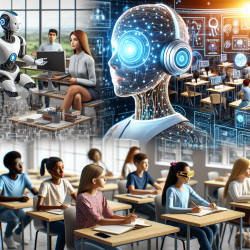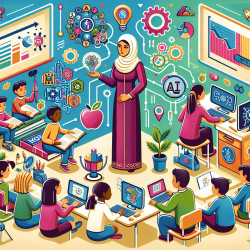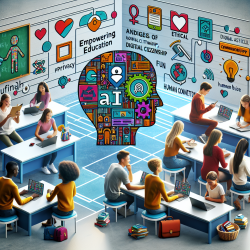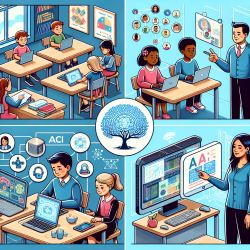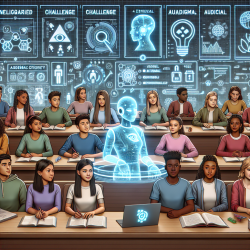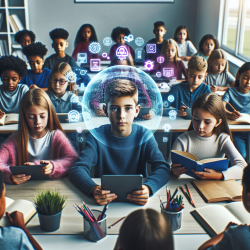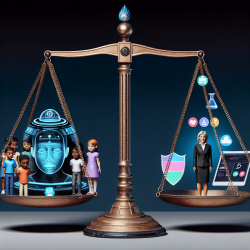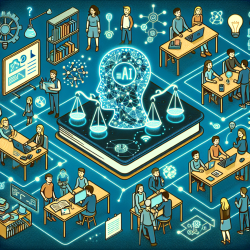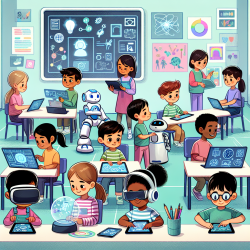
The integration of Artificial Intelligence (AI) into K-12 education is a growing trend that promises to revolutionize the way we teach and learn. With potential applications ranging from streamlining administrative tasks to enhancing classroom learning experiences, AI can be a powerful ally for educators. However, with great power comes great responsibility. It's crucial to consider the ethical implications, privacy concerns, and inclusivity when adopting AI tools in schools.
The Framework for AI Integration
The Ministry of Education and Child Care has developed a comprehensive framework to guide the thoughtful integration of AI tools in British Columbia’s K-12 schools. This framework covers seven key areas:
- Ethical Uses: Ensuring AI tools align with educational ethics and promote the best interests of students.
- Needs and Impacts: Evaluating the specific needs AI tools can address and their potential impacts on educational outcomes.
- Accessibility and Usability: Making sure AI tools are accessible to all students and educators, regardless of their background or abilities.
- Integration and Compatibility: Ensuring AI tools work seamlessly with existing technological infrastructure.
- Data Security and Privacy: Protecting sensitive information by adhering to privacy laws and regulations.
- Teaching and Learning: Enhancing student learning experiences while maintaining human-centric educational practices.
- Inclusive Learning: Using AI to support diverse learning needs and create an inclusive educational environment.
The Role of AI in K-12 Schools
The potential uses of AI in schools are vast. From automating routine administrative tasks to providing personalized learning experiences, AI can help educators focus more on student-centered activities. Teachers can use AI to supplement classroom teaching practices, offering deeper insights into student learning patterns and enabling more tailored educational experiences.
A critical aspect of integrating AI is maintaining human interaction as a core component of education. While AI tools can offer significant support, they should complement rather than replace the human touch that is vital for meaningful learning relationships.
Navigating Privacy Concerns
The integration of AI tools requires careful attention to data security and privacy. Schools must conduct Privacy Impact Assessments (PIAs) to ensure that personal information is protected according to local and provincial laws. This involves understanding how data is collected, used, stored, and secured by AI tools.
The Ministry provides resources such as PIA templates and privacy management guides to help schools navigate these challenges effectively.
A Collaborative Approach
Selecting and implementing AI tools should be a collaborative effort involving school boards, district leaders, teachers, and support staff. Open communication is essential to understand the potential implications of adopting new technologies and ensure that decisions align with both educational goals and ethical standards.
The Importance of Inclusivity
An inclusive approach to using AI in education means considering how these tools can support students with disabilities or diverse needs. This involves ensuring compatibility with assistive technologies, offering multilingual support, and designing features that cater to various learning styles and preferences.
The goal is to create an environment where all students have equal opportunities to benefit from technological advancements without facing barriers due to socioeconomic status or other factors.
A Vision for the Future
The future of education lies in the thoughtful integration of technology that enhances learning while prioritizing ethical considerations and inclusivity. By following established guidelines and fostering an open dialogue among all stakeholders, schools can harness the power of AI to improve educational outcomes for every student.
If you're interested in learning more about using AI tools in K-12 schools responsibly, please follow this link.